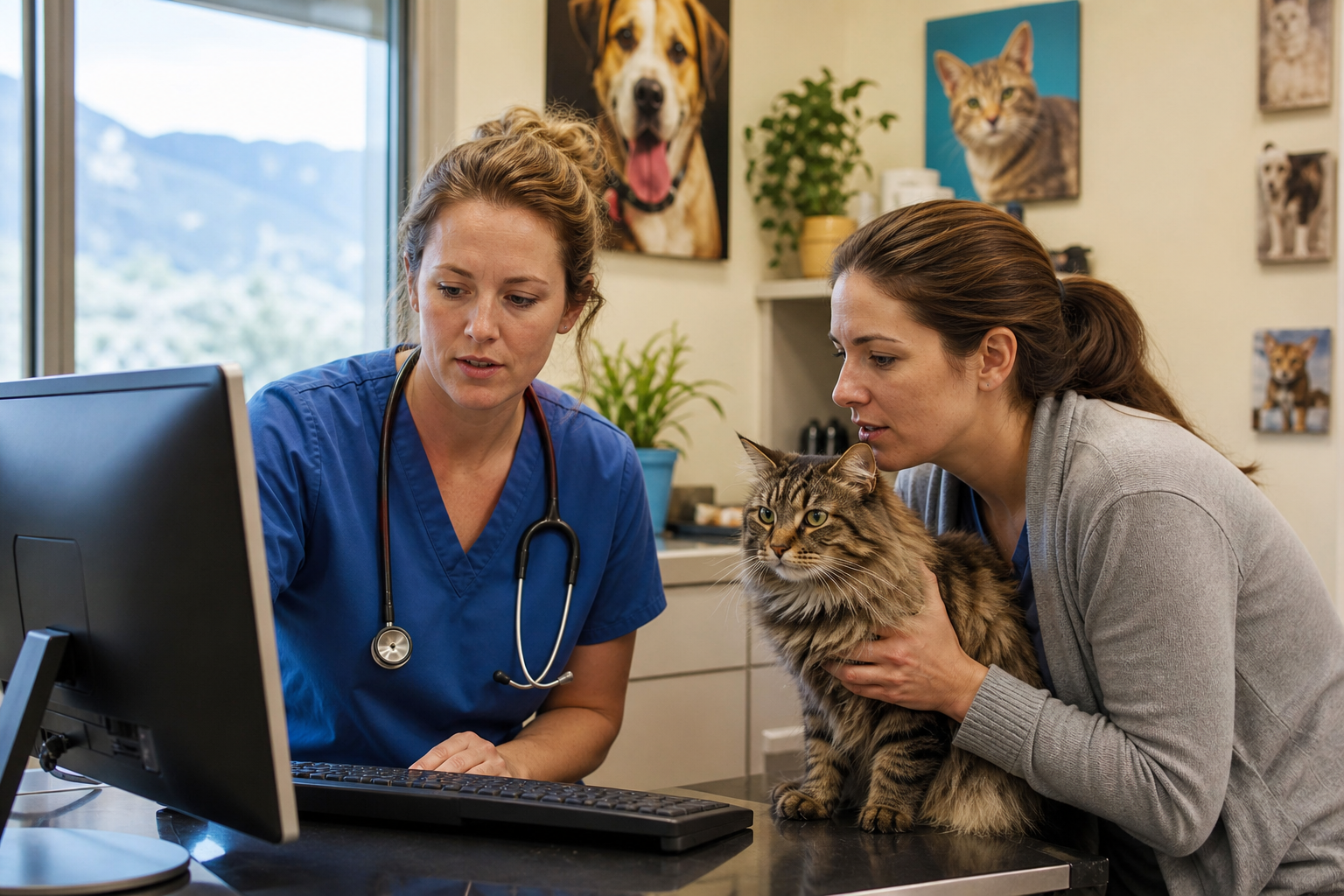
Summer gets busy fast in Colorado Springs. One weekend trip, a hiking plan near Black Forest, a change in work hours, or a kid's packed schedule, and suddenly you realize you missed a pet vaccination appointment. If that happened, do not panic, and do not try to guess the fix from memory. The right next step depends on your dog or cat's age, previous vaccine history, health status, and risk factors, and your veterinarian can review the details and tell you what needs to happen next.
If your dog or cat misses a vaccine appointment, the next step is usually to call your veterinary clinic and review your pet's record. Some pets may simply need the visit rescheduled, while others may need a schedule adjustment based on age, vaccine history, health, and current risk. The safest move is to confirm the plan with your veterinarian instead of guessing.
What happens if my dog or cat misses a vaccine appointment?
A missed visit does not always mean your pet has to start over, but it can change the timing of what happens next. Your veterinarian will look at your pet's age, vaccine record, general health, and exposure risk before deciding whether to continue, repeat, or adjust the plan.
That is the short answer most owners need after a missed pet vaccination appointment. The part that matters is that there is no single rule that fits every dog and cat.
- A puppy or kitten who is still building early protection may need closer review than an adult pet with a long, documented history.
- An adult dog or cat with a consistent record may have a different path than a newly adopted pet with incomplete paperwork.
- A pet with health concerns, recent illness, or medications may need a veterinarian to weigh timing more carefully.
- A pet who spends time outdoors in Colorado Springs or has more contact with other animals may not have the same risk profile as a mostly indoor pet.
The American Veterinary Medical Association explains that vaccination plans should be individualized by a veterinarian. That is why calling the clinic matters more than searching for a one-size-fits-all chart online.
I like to keep this simple. A missed date on the calendar is a scheduling problem first, not a reason to assume the worst.
Why do vaccine appointments get missed so often in summer?
Summer appointments are easier to miss because family routines change, travel picks up, and pets often have more activity outside the home. In Colorado Springs, longer days and weekend plans can push routine care down the list, even for owners who are usually very organized.
Common reasons owners fall behind include:
- Vacation travel or boarding plans
- Kids being out of school
- More outdoor time and shifting work schedules
- Moves, adoptions, or changes in household routine
- Assuming a short delay does not matter
That last point is the one I see most. Owners mean well, but a two-week delay turns into two months before they know it.
If summer travel is part of what caused the issue, it can help to look at related preventive care at the same time. Our article on summer wellness exams before traveling or hiking around Colorado Springs explains why seasonal plans often bring routine care needs into focus. For pets spending more time outside, summer parasite prevention in Colorado Springs is another useful part of the conversation.
In Colorado Springs, summer often means mountain day trips, trail time, neighborhood gatherings, and last-minute weekend getaways. Around Black Forest and other more open areas, pets may also have more outdoor exposure during the warm months, which makes it especially important to call promptly after a missed pet vaccination appointment instead of waiting until fall.
What factors change the next step after a missed pet vaccination appointment?
The next step changes based on four main things: your pet's age, previous vaccine history, current health status, and exposure risk. Those details help your veterinarian decide whether the timing can simply continue with a new appointment or whether the schedule needs a closer review.
Here is what your veterinarian may consider:
- Age. Puppies and kittens are not in the same situation as adult pets. Early-life protection involves timing that is different from ongoing adult care.
- Previous vaccine history. A complete, documented record gives the clinic a much better starting point than gaps, uncertain dates, or missing paperwork.
- Health status. If your pet has been sick, is recovering from another issue, or has a condition that affects care planning, timing may need review.
- Risk factors. Time outdoors, exposure to other pets, wildlife contact, travel, and household changes can all influence how urgent the follow-up feels.
This is where owners often get tripped up. A weaker approach is, "My dog seems fine, so we will just wait until the next annual visit." A stronger approach is, "We missed the appointment by six weeks, here are the records we have, and here is what our pet has been doing lately. What do you recommend?"
That second version gives your veterinarian something useful to work with.
Common mistake: assuming every late vaccine means starting over
Owners sometimes delay calling because they are afraid they already messed up the schedule. In many cases, the first step is simply having the clinic review the record and advise on timing. Waiting longer because you feel embarrassed only makes the timeline harder to sort out.
Why do vaccination records matter so much?
Good records help your veterinarian make a safer, more accurate scheduling decision after a missed appointment. They show what your pet received, when it was given, and whether there have been consistent visits over time, which can make a big difference in what happens next.
If you have ever moved, adopted a pet, switched clinics, or used a low-cost vaccine event in the past, record gaps can happen. That does not make you a bad owner. It just means the clinic may need more information before advising you.
Try to gather:
- Past vaccine certificates or receipts
- Records from previous veterinary clinics
- Adoption or rescue paperwork
- Dates of any recent wellness visits
- A list of current medications or recent health changes
The American Animal Hospital Association notes that preventive care decisions work best when based on complete medical history and regular veterinary review. Records are what make that possible.
They matter for practical reasons, too. If your pet may need travel paperwork later, our article on pet health certificates before your summer vacation shows how timing and documentation often go hand in hand.
I tell owners this all the time. Keep the paper copy, keep the email copy, and take a phone photo too.
Should I call the clinic right away or just book the next available appointment online?
Calling is usually the better first move after a missed appointment because the clinic may need to review records before deciding what to schedule. Booking blindly can place your pet in the wrong appointment type or miss information that affects timing.
A phone call lets the team help with questions like:
- How late is the appointment?
- Is your pet overdue by a short period or much longer?
- Do records need to be transferred from another clinic?
- Has your pet had any health changes since the last visit?
- Is a wellness exam also due?
This can save time and help you avoid repeat visits. It also gives the clinic a chance to explain if your pet's schedule needs adjustment instead of a simple rebooking.
If your pet is also due for a checkup, why annual wellness exams matter even when your dog or cat seems healthy is a helpful reminder that preventive care is easier to sort out when visits stay connected instead of piecemeal.
Timber's Reminder
I see a lot of owners feel guilty when they call late, and I want to take that pressure off. Life happens. Summer especially has a way of scrambling even the best pet calendar. What helps most is quick, honest information. Tell the clinic how long ago the appointment was, what records you have, and whether anything has changed with your dog or cat.
My simple rule is this: call while the missed visit is still fresh in your mind. Do not wait until you are absolutely sure what your pet needs. That is our job to help sort out. A short conversation now is usually easier than untangling months of uncertainty later. Pets do best when owners stay engaged, even if the schedule got off track.
"Call instead of guessing. A quick record review can save a lot of confusion later." Timber
Can being behind on vaccines affect other parts of my pet's care?
Yes, it can affect other planning even if your pet seems healthy today. A delayed vaccine visit may overlap with wellness exams, travel paperwork, preventive care discussions, or other routine services that are easier to manage together.
For example, if you are already overdue, it may be worth asking the clinic whether your pet is due for:
- A wellness exam
- Parasite prevention review
- Dental evaluation
- Microchip check
- General preventive care updates
Banfield Pet Hospital's State of Pet Health reporting has repeatedly shown that preventive visit gaps are common, and routine care delays can make it harder to stay on top of a pet's overall health plan. I mention that as context, not to alarm anyone.
There is also a cost angle owners care about. Our article on why preventative care often costs less than treating advanced pet illness explains why staying current is often easier on both schedules and budgets than catching up after several missed items.
Myth: If my pet missed one vaccine appointment, there is no point calling until next year's visit.
Reality: Calling now gives your veterinarian a chance to review the timing, records, and current health picture while details are still clear. That is usually much more useful than waiting and hoping it sorts itself out.
Frequently Asked Questions
How soon should I call after I miss a vaccine appointment?
Call as soon as you realize it. The clinic can review your pet's record and help determine the most appropriate next step based on timing and history.
Will my dog or cat need to start vaccines all over again?
Not always. That depends on your pet's age, previous vaccine history, current health, and other risk factors. Your veterinarian is the right person to make that call.
What if I do not have complete vaccine records?
Gather whatever you do have and call anyway. Previous clinic records, adoption paperwork, receipts, and even approximate dates can help start the conversation.
Is a missed pet vaccination appointment an emergency?
A missed routine appointment is not usually handled the same way as an emergency, but it is still worth addressing promptly. If your pet is sick or showing concerning symptoms, discuss that with your veterinary team right away. Our article on common summer pet emergencies and when to seek immediate veterinary care may also help you recognize when a problem goes beyond scheduling.
Should I wait and combine the vaccine visit with another appointment?
Sometimes that makes sense, but the clinic should guide that decision. A quick call helps determine whether combining visits is appropriate or whether your pet should be seen sooner.
If you are behind, have this ready before you call
- Your pet's name, age, and species
- Date of the missed appointment
- Any vaccine paperwork you have
- Recent health changes or medications
- Travel, boarding, or outdoor activity plans coming up
Need help after a missed pet vaccination appointment?
If your dog or cat is behind, the best next step is to have the record reviewed by a local veterinary team that can look at age, health, history, and current risk factors. Ponderosa Veterinary Clinic helps pet owners in Colorado Springs get clear guidance on overdue vaccines, wellness care, and what to do next. *We Believe in a Compassion-First Approach.* This article is general information, not medical advice. Talk with your veterinarian about your specific situation.
Review your pet's vaccination history with Ponderosa Veterinary ClinicExplore more, or reach out directly to Ponderosa Veterinary Clinic in Colorado Springs, CO.