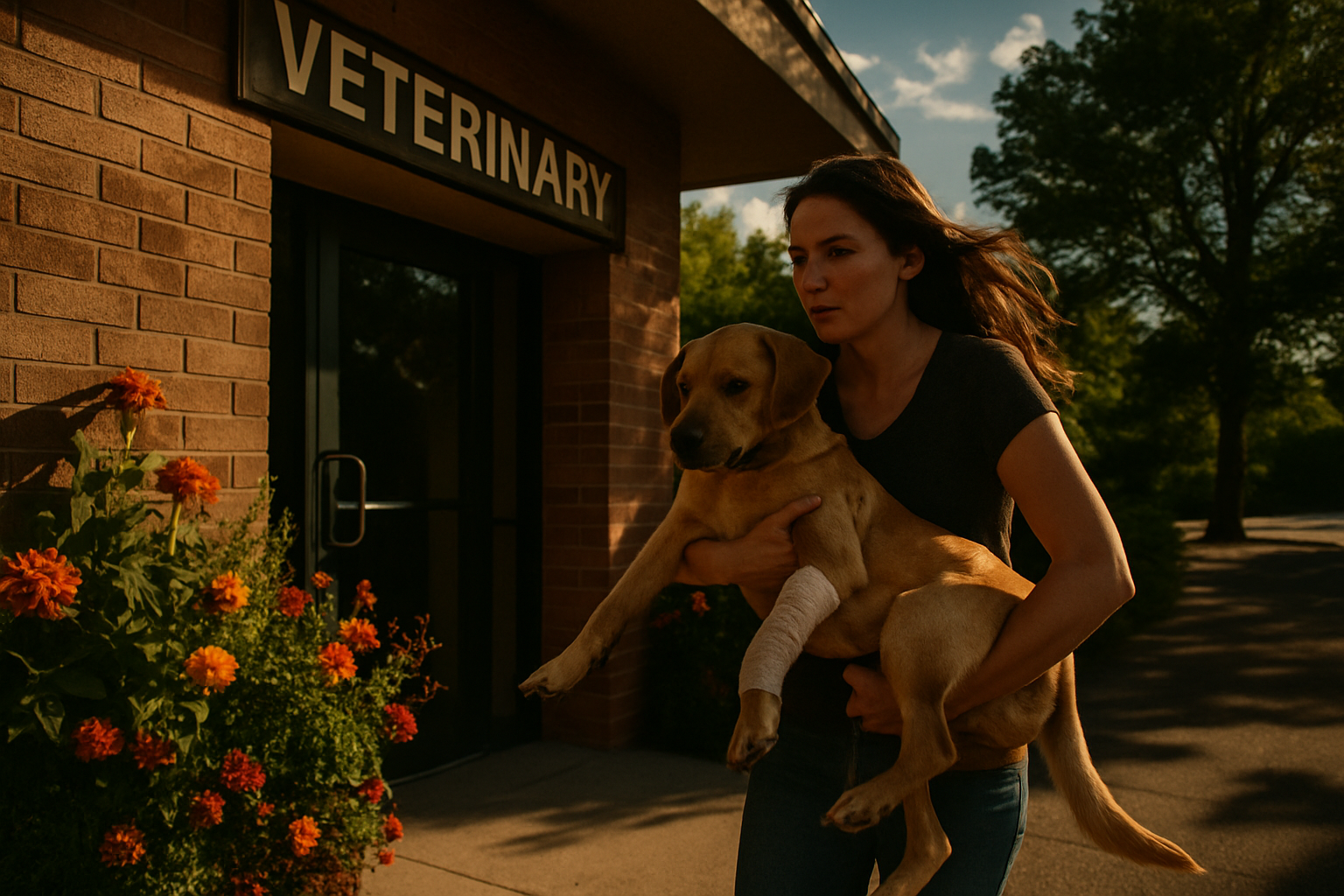
July in Colorado Springs often means longer hikes, backyard barbecues, hot sidewalks, open garage doors, and more time outside with pets. That extra activity is part of what makes summer fun, but it also brings more moments when a dog or cat can get sick or injured fast. If you are trying to decide whether a problem can wait or your pet needs emergency vet care Colorado Springs owners can reach quickly, the safest move is to pay attention to how sudden, severe, or unusual the situation seems and call a veterinary clinic promptly.
Take your pet to an emergency veterinarian when symptoms are sudden, severe, getting worse quickly, or involve trouble breathing, collapse, uncontrolled bleeding, heat-related illness, possible toxin exposure, seizures, major pain, or serious injury. If you are unsure, call right away. Urgency depends on the situation, and fast guidance matters.
When should I take my pet to an emergency veterinarian?
You should seek emergency veterinary attention when your pet has a sudden or severe problem that could threaten breathing, circulation, brain function, or cause rapid decline. That includes heat-related illness, trauma, toxin exposure, repeated vomiting with weakness, collapse, seizures, or any symptom that looks dramatically different from your pet’s normal behavior.
In real life, pet owners are often not looking for a diagnosis. They are trying to answer a simpler question: “Does this need help now?” That is exactly the right question to ask.
Examples that often warrant prompt evaluation include:
- Difficulty breathing, open-mouth breathing in cats, or blue, gray, or very pale gums
- Collapse, fainting, extreme weakness, or inability to stand
- Heat stress or heatstroke concerns after time outdoors or in a hot space
- Severe bleeding or bleeding that does not stop
- Hit-by-car injuries, falls, animal bites, or visible wounds
- Known or suspected ingestion of toxins, medications, marijuana products, rodent bait, xylitol, or poisonous plants
- Seizures, especially first-time, prolonged, or repeated seizures
- Repeated vomiting or diarrhea with lethargy, distress, or dehydration concerns
- Straining to urinate, especially in male cats
- Severe pain, abdominal swelling, or sudden inability to use a limb
The American Veterinary Medical Association and ASPCA Animal Poison Control both emphasize that rapid changes in breathing, consciousness, or suspected toxin exposure should be treated seriously. I always tell owners this: if your pet looks like they are in real trouble, do not wait for a perfect explanation before you call.
What summer emergencies are most common for pets in Colorado Springs?
Summer pet emergencies in Colorado Springs often involve heat, outdoor injuries, toxin exposure, and sudden gastrointestinal or breathing problems. Our dry climate, altitude, active lifestyle, and warm pavement can turn an ordinary outing into a situation that needs quick medical attention.
Common summer concerns include:
- Heat-related illness. Pets can overheat during walks, hikes, yard play, or time in cars and garages.
- Paw and skin injuries. Hot pavement, foxtails and grass awns, rough terrain, and backyard fencing can all cause painful injuries.
- Trauma. More outdoor time means more escape attempts, dog fights, wildlife encounters, and vehicle-related injuries.
- Toxin exposure. Fertilizers, insect products, human foods, alcohol, nicotine products, cleaning supplies, and medications may be easier for pets to access during parties and travel.
- Water-related stress. Exhaustion, aspiration, and panic can happen around pools, lakes, and sprinklers.
Colorado’s climate matters here. According to the National Weather Service, summer temperatures and sun exposure can create dangerous conditions quickly, especially at higher elevations where activity levels stay high. A pet that seems energetic at the trailhead can still become distressed on the way back.
In Colorado Springs, summer emergencies often start during normal weekend routines: a hike near Palmer Park, time in the yard in Black Forest, a brewery patio stop, or errands with a pet left in the car “just for a minute.” Local heat, sun, and dry air can add up faster than many owners expect.
How do I recognize heat-related illness in a dog or cat?
Heat-related illness can become dangerous very quickly, and warning signs should never be brushed off as “just tired” after outdoor activity. Heavy panting, distress, weakness, vomiting, disorientation, collapse, or a pet that cannot recover normally after heat exposure all deserve urgent attention.
Signs owners may notice include:
- Excessive panting or difficulty breathing
- Drooling more than usual
- Weakness, wobbling, or collapse
- Vomiting or diarrhea
- Confusion, agitation, or seeming “out of it”
- Bright red, very pale, or abnormal-looking gums
One statistic is worth keeping in mind. A study published in the journal Scientific Reports, based on veterinary records in the United Kingdom, identified a survival rate of about 14 percent in dogs that were brought in already dead from heat-related illness, showing how dangerous delay can be once collapse has occurred. That study is often cited in veterinary discussions about rapid recognition and response.
This does not mean every hot-weather scare becomes a crisis. It does mean timing matters. A pet that is not bouncing back normally after heat exposure should be assessed promptly.
A common mistake I see in summer
Owners sometimes wait because their pet “still walked to the car” or “seemed a little better after resting.” Those details can be reassuring, but they do not rule out a serious problem. With heat-related illness, some pets worsen after the outing is already over.
Timber says, “Summer problems do not always look dramatic at the start. I would much rather hear from a worried owner early than see a pet arrive after things have spiraled.”
Which injuries and toxin exposures need urgent veterinary attention?
Trauma and toxin exposure can require emergency evaluation even when the damage is not obvious from the outside. Pets may hide pain well, and a swallowed substance, bite wound, or fall can cause internal problems that are not immediately visible.
Situations that deserve prompt contact with a clinic include:
- Your pet was hit by a car or may have been struck, even if they stood up afterward
- A deep cut, puncture, bite wound, or eye injury
- Limping with severe pain, obvious deformity, or inability to bear weight
- Suspected ingestion of human medication, THC products, chocolate, raisins, xylitol, rodenticide, or household chemicals
- Sudden swelling of the face, severe hives, or distress after a sting or bite
Weak example: “My dog ate something weird and seems off, so I’ll watch him overnight.”
Stronger example: “My dog may have eaten medication 20 minutes ago, now he is sleepy and unsteady, and I called immediately to ask where to go.”
That difference matters because the useful window for evaluation can be early. If you think your pet may have been exposed to a toxic substance, try to note what it was, about how much may be missing, and when it happened, then call right away.
What to tell the clinic when you call
- Your pet’s age, species, and approximate weight
- What happened, or what you suspect happened
- When the symptoms started
- Whether symptoms are staying the same or getting worse
- Any known exposure to medication, chemicals, foods, or bites
What sudden severe symptoms should never be ignored?
Breathing trouble, collapse, repeated seizures, severe pain, and signs of urinary blockage are among the symptoms that should not be ignored. Even without a known cause, sudden major changes in alertness, mobility, or comfort can signal an emergency.
Red-flag symptoms include:
- Trouble breathing or gasping
- Collapse or inability to get up
- Repeated seizures or a seizure lasting several minutes
- Unproductive retching, enlarged abdomen, or signs of severe abdominal pain
- Repeated vomiting with weakness, especially if blood is present
- Straining to urinate, crying in the litter box, or producing little to no urine
- Sudden paralysis or inability to use the back legs
- Profound lethargy, unresponsiveness, or extreme disorientation
Cats deserve a special note here. They often show fewer obvious signs until they are quite sick. Open-mouth breathing in a cat, sudden hiding with weakness, or repeated trips to the litter box with no urine can all be urgent.
Most owners do not overreact. More often, they second-guess themselves for too long. If your pet seems acutely distressed, seeking emergency vet care Colorado Springs families can access promptly is the right step.
Myth: If my pet is still awake, walking, or drinking, it probably is not an emergency.
Reality: Some emergencies begin with subtle signs or short periods of seeming normal. What matters most is the whole picture, including how sudden the problem is, whether it is worsening, and whether the symptom itself is high risk.
Timber's Insights
I know the hardest part for many owners is not the symptom itself. It is the uncertainty. You do not want to panic, and you also do not want to lose time. Around our area, I think summer catches people off guard because the day starts cool, then turns hot fast, and pets go from relaxing at home to hiking, riding in the car, meeting guests, or sniffing around a yard project in the same afternoon.
If I could give one practical reminder, it would be this: trust sudden change. If your dog or cat is acting dramatically differently from normal, I would rather you call and ask than sit with that feeling all evening. Emergency care and end-of-life care are also different services with different goals. One focuses on stabilizing urgent illness or injury. The other focuses on comfort and compassionate decision-making at the end of life.
How is emergency care different from end-of-life care?
Emergency care and end-of-life care are different services because they are built around different goals. Emergency care focuses on urgent evaluation, stabilization, and treatment for sudden illness or injury. End-of-life care focuses on comfort, quality of life, suffering, and compassionate support during a very different kind of medical decision.
Sometimes owners are facing a crisis and are not sure which category they are in. That is understandable. A pet in severe distress needs prompt veterinary guidance regardless. The clinical team can help clarify whether the priority is immediate emergency intervention, comfort-focused care, or a conversation about options.
At Ponderosa Veterinary Clinic, compassionate communication matters just as much as medical urgency. Realistic expectations matter too. Not every emergency has a simple answer, and not every difficult moment is solved in one visit. But being heard, informed, and supported still makes a difference.
What should I do next if I think my pet needs emergency vet care Colorado Springs?
If you think your pet may need emergency attention, contact a veterinary clinic immediately and be ready to describe the symptoms, timeline, and any known injury or exposure. Do not wait for symptoms to become unmistakable if your pet is having trouble breathing, collapsing, in severe pain, or worsening quickly.
Good next steps usually include:
- Call promptly.
- Describe the most serious symptom first.
- Share when the problem started and whether it is getting worse.
- Follow the clinic’s guidance about where to go and how quickly to come in.
A search for emergency vet care Colorado Springs is often happening during a stressful moment. That is why responsive support matters. Clear direction helps owners make the next decision without feeling brushed aside or overwhelmed.
Frequently Asked Questions
Can I wait until morning if my pet seems a little better?
Sometimes symptoms briefly improve even when a serious problem is still developing. If the original symptom was severe, sudden, or high risk, contact a clinic promptly instead of relying on short-term improvement.
Is vomiting always an emergency?
No. Vomiting can range from mild to urgent depending on the situation. Repeated vomiting, vomiting with weakness, blood, collapse, abdominal pain, or known toxin exposure deserves prompt veterinary attention.
Should I take my cat to an emergency vet for breathing changes?
Breathing changes in cats should be taken seriously. Open-mouth breathing, labored breathing, or sudden distress should prompt immediate veterinary contact.
Does every injury need emergency care?
No. Urgency depends on the type of injury, pain level, bleeding, location, and whether your pet can move normally or seems distressed. Deep wounds, eye injuries, severe limping, or possible internal injury are more urgent.
Where can I find emergency vet care Colorado Springs pet owners can call?
If your pet is showing urgent signs, call a local veterinary clinic immediately for direction. A full-service clinic can help you determine whether you should come in right away, be referred, or pursue another level of care based on the situation.
Need help deciding if your pet’s summer symptoms are urgent?
If your dog or cat may need emergency vet care Colorado Springs owners can access with compassionate guidance, contact Ponderosa Veterinary Clinic right away. We help families in Colorado Springs and the Black Forest area understand when time matters, what level of care may be needed, and what to do next. We Believe in a Compassion-First Approach. This article is general information, not medical advice. Talk with your veterinarian about your specific situation.
Contact Ponderosa Veterinary ClinicExplore more, or reach out directly to Ponderosa Veterinary Clinic in Colorado Springs, CO.