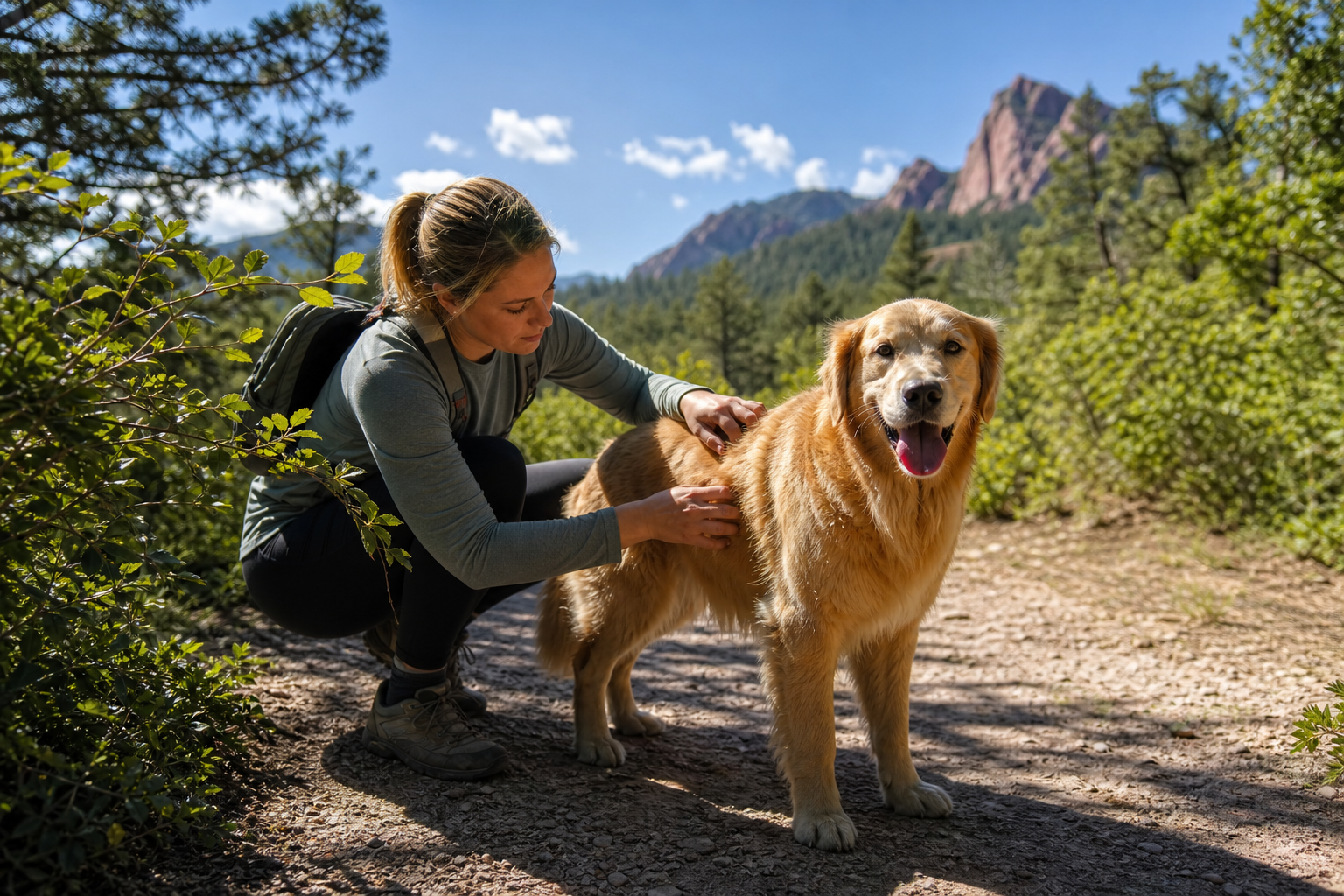
Warm evenings in Colorado Springs often mean longer walks on neighborhood sidewalks, trail time near Palmer Park or Ute Valley, and more backyard lounging for dogs and cats. That extra outdoor time is part of what makes summer fun, but it also changes parasite exposure. A good plan for summer parasite prevention for pets starts before your pet has a problem, with guidance that fits local conditions instead of a one size fits all routine.
What parasite prevention does my pet need during summer? Most dogs and cats need a veterinarian-guided prevention plan that may include protection against fleas, ticks, mosquitoes, and other parasites common in the Colorado Springs area, along with consistent dosing, routine checks after outdoor activity, and wellness visits to review risk. The right plan depends on your pet's species, lifestyle, health history, and where they spend time outdoors.
What parasite prevention does my pet need during summer?
Your pet usually needs a summer prevention plan built around local parasite risks, daily habits, and regular veterinary follow-up. For dogs and cats in Colorado Springs, that often means staying current on prescribed or veterinarian-recommended preventives, checking pets after outdoor time, and using wellness visits to adjust the plan as seasons and routines change.
I like to break summer parasite prevention for pets into a few simple categories:
- Flea prevention for pets that go outside, visit other animals, or spend time in shared environments.
- Tick prevention for dogs that hike, explore brushy areas, or spend time in taller grass. Cats with outdoor access can face exposure too.
- Mosquito-related prevention because mosquitoes can be more active in warm months, especially around standing water or irrigated yards.
- Routine screening and exams so your veterinarian can review risk based on age, travel, home environment, and health status.
- Post-outing checks after trails, parks, open spaces, and backyard play.
No single product or schedule is right for every dog or cat. A young hiking dog in the Black Forest area may need a different prevention conversation than an indoor cat in central Colorado Springs. I tell families to think in terms of risk patterns, not just the calendar.
Colorado Springs pets often move between very different environments in one week. A dog might spend one day in a dry backyard, the next on a shaded trail, and the weekend near irrigated grass or foothill brush. That mix of elevation, open space, wildlife activity, and summer moisture can change parasite exposure quickly.
Why does summer raise parasite risk for pets in Colorado Springs?
Summer raises risk because pets spend more time outside and many parasites become more active in warm weather. In Colorado Springs, changing temperatures, trail use, irrigated landscapes, and wildlife corridors can all increase exposure, even if a pet mostly stays close to home.
Parasites do not need a dramatic wilderness setting to become a problem. Dogs pick up exposure on neighborhood walks, in dog-friendly gathering spots, and in backyards. Cats can encounter risk through open patios, garages, shared outdoor spaces, or short periods outside.
Locally relevant concerns often include:
- Fleas, which can spread in homes and outdoor areas where animals rest.
- Ticks, which may be found in grassy, brushy, or wooded spaces.
- Mosquitoes, which are tied to warm weather and water sources.
- Other parasites influenced by wildlife, contaminated soil, or pet-to-pet contact.
According to the American Veterinary Medical Association, year-round parasite control is often recommended because risk can vary by geography, weather patterns, and pet lifestyle. That matters here because Colorado weather is not always predictable, and a mild stretch can extend exposure beyond what owners expect. Source: American Veterinary Medical Association.
How should I build a seasonal prevention routine instead of reacting after exposure?
The best routine starts before symptoms or visible parasites appear. A practical summer plan combines on-time medication, habit-based risk review, regular home checks, and a scheduled wellness exam so prevention stays consistent through the season.
Here is a planning guide I would use for most pet families:
- Start with a veterinary review. Ask what parasites are most relevant for your dog or cat in summer and whether your pet's age, weight, medical history, or lifestyle changes the approach.
- Use prevention consistently. Missed or delayed doses can leave gaps in coverage. Set phone reminders or put doses on the family calendar.
- Match the plan to activity. A pet that hikes weekly or spends time in taller grass may not have the same needs as a mostly indoor pet.
- Do post-outing checks. After outdoor time, look over skin, paws, ears, and fur, especially on longer-haired pets.
- Keep up with wellness visits. Summer is a good time to review prevention, screening needs, and any new exposures.
- Watch the environment. Yards, patios, and pet rest areas can matter too, especially if wildlife passes through.
A weaker plan sounds like this: "We'll deal with it if I see something." A stronger plan sounds like this: "My dog hikes on Saturdays, gets checked afterward, stays on schedule with prevention, and has parasite risk reviewed at wellness visits." That shift is what makes summer parasite prevention for pets work better in real life.
Most missed prevention is not a knowledge problem. It is a routine problem.
Common mistake: waiting for visible signs
Many owners assume they can wait until they see scratching, a tick, or a mosquito-heavy evening before thinking about parasite control. The trouble is that exposure often happens before signs are obvious. Summer planning works best when prevention, checks, and veterinary guidance are already in place.
What should I check after walks, hikes, and backyard time?
After outdoor activity, check your pet promptly and thoroughly. Focus on areas where parasites can hide, and make it a regular habit after trail time, brushing through grass, or lounging in shaded yard areas.
For dogs and cats, useful post-outing checks can include:
- Running your hands through the coat to feel for bumps or attached pests.
- Looking inside and around the ears.
- Checking between the toes and around paw pads.
- Examining the neck, collar area, and underarms.
- Looking around the tail base and groin.
- Watching for unusual scratching, licking, head shaking, or skin irritation.
If your pet has a thicker coat, slow down and part the fur under good light. Cats may need a calm, gentle once-over after time on a patio or in a yard. I find that owners do better when they connect the check to a routine they already have, like offering water, wiping paws, or brushing after a walk.
Summer outing checklist for Colorado Springs pet owners
- Prevention given on schedule
- Leash walks and trail plans for the week noted on your calendar
- Post-outing coat and skin check
- Monitor for itching, bites, or behavior changes
- Wellness visit booked if prevention needs review
How do wellness visits help with summer parasite prevention for pets?
Wellness visits help by turning general concern into a specific, locally informed plan. They give your veterinarian a chance to review parasite risks, medication timing, lifestyle changes, and any signs that may need follow-up, without waiting for a larger problem to develop.
At a wellness exam, your veterinarian may discuss:
- Your pet's current prevention routine and whether it is being used consistently
- Changes in outdoor activity, travel, boarding, or exposure to other animals
- Skin or coat concerns that owners may have noticed at home
- Age-related or medical factors that affect product choice
- Recommended screening based on season, region, and history
The American Heartworm Society reports that one mosquito bite can potentially transmit heartworm disease. That is a helpful reminder that mosquito exposure should not be brushed off as minor in warm months. Source: American Heartworm Society.
I like summer wellness visits because they catch the small gaps. A family may be doing almost everything right and still need one adjustment.
Timber's Insights
I keep this simple for pet families. If your dog loves trails, if your cat sneaks onto the patio, or if your yard backs up to open space, do not wait for a pest sighting to start thinking about prevention. Around Colorado Springs, our pets move between dry ground, shaded brush, and irrigated neighborhoods all the time, and that mix matters.
One thing I see often is a very caring owner who gives prevention regularly, but not quite regularly enough. A late dose here and there can happen easily during busy summer schedules. Put it on the same calendar as your hikes, grooming, or refill reminders. As I like to say, "good prevention should fit your real life, not your perfect life." That is usually what helps families stay consistent.
"Good prevention should fit your real life, not your perfect life." Timber
Should I use over-the-counter parasite products on my own?
It is safer to talk with your veterinarian before choosing a parasite product. Summer parasite prevention works best when product choice, timing, and species-specific safety are reviewed by a professional who knows your pet and understands local risks.
This is especially important because:
- Dogs and cats do not always use the same products safely.
- Age, weight, health conditions, and medications can affect what is appropriate.
- Outdoor habits in Colorado Springs can change the level of protection a pet may need.
- Not every product addresses the same parasites.
Myth: If my pet mostly stays indoors, summer parasite prevention is probably unnecessary.
Reality: Indoor pets can still have exposure through mosquitoes, short outdoor trips, shared household environments, and people or animals moving in and out. Indoor lifestyle lowers some risks, but it does not erase them.
When should I call the vet about possible parasite exposure?
Call your veterinarian if you find a parasite on your pet, notice unusual skin or behavior changes, realize doses have been missed, or want help reviewing the best summer routine. It is also smart to call if your pet's lifestyle changes, such as more hiking, boarding, or outdoor access.
Situations worth discussing include:
- You found fleas, ticks, or suspicious bites.
- Your pet is scratching more than usual, chewing at the skin, or shaking the head.
- You missed part of the prevention schedule.
- Your dog or cat is spending more time outdoors this summer than last summer.
- You adopted a new pet and are unsure what prevention history they have.
- You are comparing products and want guidance before buying anything.
That conversation is not overreacting. It is exactly how a prevention plan stays useful.
Frequently Asked Questions
Do dogs and cats need the same summer parasite prevention?
No. Dogs and cats can have different risks, and products are not interchangeable. A veterinarian should guide what is appropriate for each pet.
How often should I check my pet after outdoor activity?
A quick check after walks, hikes, backyard play, or patio time is a smart habit in summer, especially if your pet has been in grass, brush, or shaded outdoor areas.
Is parasite prevention only important if we hike a lot?
No. Pets can have exposure in neighborhoods, yards, and shared spaces, not just on trails.
What if I missed a dose?
Contact your veterinary team for guidance on next steps and how to get your routine back on track.
Why is local guidance important for summer parasite prevention for pets?
Parasite activity varies by region, weather, wildlife patterns, and pet lifestyle. Colorado Springs conditions can shape what prevention discussions are most relevant for your pet.
Review your pet's summer parasite plan
If you want help reviewing summer parasite prevention for pets in Colorado Springs, Ponderosa Veterinary Clinic can help you look at your dog's or cat's routine, local exposure, and wellness care needs. Schedule a visit to talk through prevention before summer pests become a larger concern. We Believe in a Compassion-First Approach. This article is general information, not medical advice. Talk with your veterinarian about your specific situation.
Request an appointment at Ponderosa Veterinary ClinicExplore more, or reach out directly to Ponderosa Veterinary Clinic in Colorado Springs, CO.