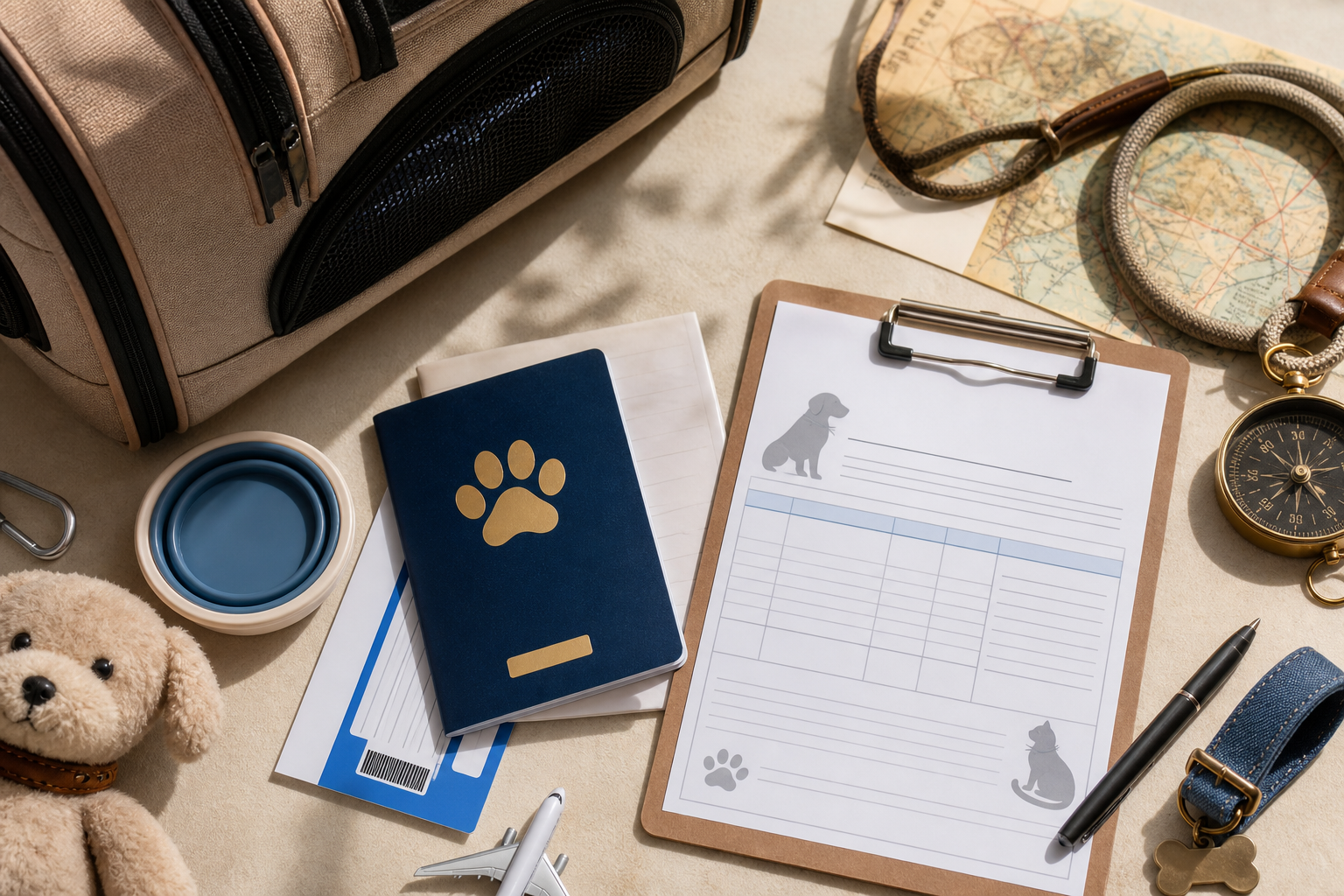
A lot of pet owners assume one document covers every trip. It usually does not. Flying to another state, driving across state lines, dropping your dog at a boarding facility in Colorado Springs, or planning international travel can all involve different rules, different timelines, and different paperwork.
Yes, you may need a health certificate to travel with your pet, but not in every situation. Pet travel health certificate requirements usually depend on where your pet is going, how they are getting there, and the rules set by an airline, boarding facility, destination state, or country. The safest move is to check requirements early and schedule any needed veterinary appointments before your departure date.
I am Timber, and one of the most common travel questions we hear at Ponderosa Veterinary Clinic in Colorado Springs is simple: “Do I need a health certificate to travel with my pet?” The honest answer is that pet travel health certificate requirements can change based on the destination and the organization involved, which is why early planning matters so much.
Do I need a health certificate to travel with my pet?
You might, and the answer depends on the trip. A health certificate is often required for airline travel, some interstate travel, many boarding stays, and most international travel, but not every road trip or every pet-friendly lodging stay will ask for one.
Here is the practical way to think about it:
- Air travel: Often requires specific documentation, especially if you are crossing state lines or flying internationally.
- Road travel: May or may not require paperwork, depending on the destination state and where you plan to stay.
- Boarding: Usually focuses on vaccine records and facility-specific policies, but some locations may ask for additional documentation.
- International travel: Commonly involves the most detailed requirements, often with strict timelines.
The U.S. Department of Agriculture, Animal and Plant Health Inspection Service, or USDA APHIS, notes that pet travel rules vary by destination and recommends checking both state and international requirements before travel. That is a good baseline source for owners planning ahead.
A common mistake I see
Owners often wait until the week of travel to ask about paperwork. That can create a problem if the airline, destination, or boarding facility needs forms completed within a certain window before departure. In some cases, there may also be vaccine timing rules or limited appointment availability.
Why do pet travel health certificate requirements change from one trip to another?
They change because different groups make different rules. Your airline may have one set of document standards, your destination state another, and your boarding facility its own intake policy. One trip can involve all three at the same time.
That is why I tell owners not to rely on a friend’s recent experience, even if their trip sounded almost identical. A direct flight on one airline is not the same as a layover on another. A kennel in one city may ask for records that another does not. A destination state can update entry rules.
According to the American Veterinary Medical Association, or AVMA, travel documentation often depends on destination requirements and may include a certificate of veterinary inspection for some types of travel. That is one reason pet travel health certificate requirements are not universal.
What is usually involved in air travel with a pet?
Air travel often has the most time-sensitive paperwork. Many airlines have specific rules about documentation windows, crate requirements, and whether a pet can travel in-cabin or as cargo, so owners should confirm those details directly with the airline.
For domestic flights, some airlines may ask for a recently issued certificate of health, while others may focus more on vaccination records or destination rules. International flights can be much more detailed, sometimes requiring:
- Country-specific forms
- Proof of vaccinations
- Microchip information
- Endorsement steps through government channels
- Timing-sensitive exams before departure
The International Air Transport Association reported that in 2022, airlines carried more than 4 million live animals safely worldwide through IATA member airlines. That number, cited by IATA, is a reminder that pet travel is common, but it also depends on careful planning and documentation.
I like to keep this straightforward. If your pet is flying, do not assume the airline website tells the whole story. Call and confirm.
Myth: If my pet is small and rides in the cabin, no health paperwork will ever be needed.
Reality: In-cabin travel can still involve airline rules, destination rules, and timing requirements. Cabin status changes where your pet rides, not necessarily what documents are needed.
What about driving with my pet across state lines?
Road travel may seem simpler, but it can still involve documentation depending on your destination. Some states have animal entry rules, and hotels, rentals, campgrounds, or event venues may also ask for records even if the state itself does not.
For owners leaving Colorado Springs by car, this matters more than people expect. A weekend drive to New Mexico, Kansas, Utah, or Wyoming may feel casual, but the requirements can be different from one stop to the next. If your trip includes overnight boarding, pet-friendly lodging, or a move to another state, check all of those details early.
A weaker approach is, “We’re just driving, so we probably do not need anything.” A stronger approach is:
- Check the destination state’s animal entry information
- Ask your hotel, rental host, or campground what records they require
- Confirm if any events, dog daycares, or pet care facilities on the route have their own rules
- Schedule your veterinary appointment in time if documentation is needed
That is the real-world side of pet travel health certificate requirements. The route itself may be easy. The stops along the route may not be.
Here in Colorado Springs, many families plan road trips through the Front Range, mountain towns, or nearby states during summer and holiday weekends. That can make travel appointments harder to book at the last minute, especially when everyone is trying to leave town around the same time.
What do boarding facilities usually require?
Boarding facilities often focus on their own admission standards, which commonly include vaccine records and health history requirements. Some may also have rules about parasite prevention, intake exams, or timing for record submission before check-in.
This is where owners can get tripped up. They may be fully prepared for a flight or road trip but forget that the boarding kennel has separate rules. One facility may want records emailed days in advance. Another may require an exam within a certain period. Another may decline check-in if documents are incomplete.
At Ponderosa Veterinary Clinic, we try to help owners sort through these moving pieces without making it more complicated than it needs to be. If your pet is boarding while you travel, bring us the facility’s exact requirements rather than a general description.
Timber's Insights
I have learned that travel paperwork usually feels stressful for one reason. Owners are trying to solve it too late. The trip itself gets all the attention, then the pet documents become urgent right before departure. I would rather see you start early, ask for the airline or boarding rules in writing, and let our team help you sort out what applies and what does not. Around Colorado Springs, especially during busy travel seasons, schedules fill quickly. A little extra time gives you more options and fewer surprises. I also tell people not to guess based on what worked last year. Travel rules can shift, and even one changed form or timing window can matter.
"The easiest travel certificate appointment is the one planned before the countdown starts." Timber
How far in advance should I plan for pet travel documents?
Start as soon as you know your travel dates. Some trips only need a recent exam and a completed form, while others involve multiple steps over days or weeks, so earlier is almost always better.
In general, it helps to plan for:
- Time to verify requirements with the airline, destination, or boarding facility
- Time to gather any records you may need
- Time to schedule a veterinary appointment
- Extra time in case a form has to be revised or resubmitted
International travel may need even more lead time. Domestic travel can sometimes move faster, but that does not mean last-minute planning is safe. I would much rather tell someone, “You are ahead of schedule,” than “We may not have enough time.”
Questions to ask before scheduling your appointment
- Where exactly is my pet going?
- Will my pet fly, drive, board, or do more than one of these?
- Which organization sets the rules for this trip?
- Do they list a deadline for exams or forms?
- Do they require original documents, digital copies, or both?
How can a veterinary clinic help with travel documentation?
A veterinary clinic can help review the documents you have, explain general timing considerations, and complete the required health certificate process when appropriate. That guidance is especially helpful when owners are dealing with several sources of rules at once.
At our Colorado Springs clinic, we often help pet owners by:
- Reviewing the documentation they have already received from an airline or facility
- Identifying what information needs to be confirmed before the appointment
- Scheduling travel-related visits in the proper timeframe when possible
- Helping owners understand that pet travel health certificate requirements are based on the trip, not a universal checklist
That last point matters. I do not want owners using a random online checklist that may already be outdated. I want them checking the actual source for their trip.
Frequently Asked Questions
Is a pet health certificate the same as vaccine records?
No. Vaccine records and a health certificate are not always the same thing. A destination, airline, or boarding facility may ask for one, the other, or both.
Do I need a health certificate for a short road trip from Colorado Springs?
Not always. Some road trips do not require one, but destination states, hotels, events, and boarding facilities can have their own rules. Verify with each organization involved.
Can pet travel health certificate requirements change after I book my trip?
Yes. Airlines, states, countries, and boarding businesses can update their rules. It is smart to recheck requirements close to your departure date.
How early should I call my vet about travel paperwork?
Call as soon as you know your plans. Even straightforward travel documentation may need an appointment within a certain time window before departure.
Does every boarding facility in Colorado Springs ask for the same paperwork?
No. Boarding policies can differ from one facility to another. Always ask the specific business for its current requirements.
If you are comparing flights, planning a road trip, or arranging boarding, the short answer is that pet travel health certificate requirements are based on the details of your specific trip. That is why early planning, direct verification, and a veterinary appointment scheduled in the right timeframe can make the process much smoother.
Need help with pet travel documents in Colorado Springs?
If you are trying to sort out airline paperwork, boarding records, or destination-specific pet travel health certificate requirements, Ponderosa Veterinary Clinic can help guide you through the process and schedule the documentation appointment your trip may require. Visit ponderosavetclinic.com to request an appointment. We Believe in a Compassion-First Approach. This article is general information, not medical advice. Talk with your veterinarian about your specific situation.
Request an appointmentExplore more, or reach out directly to Ponderosa Veterinary Clinic in Colorado Springs, CO.