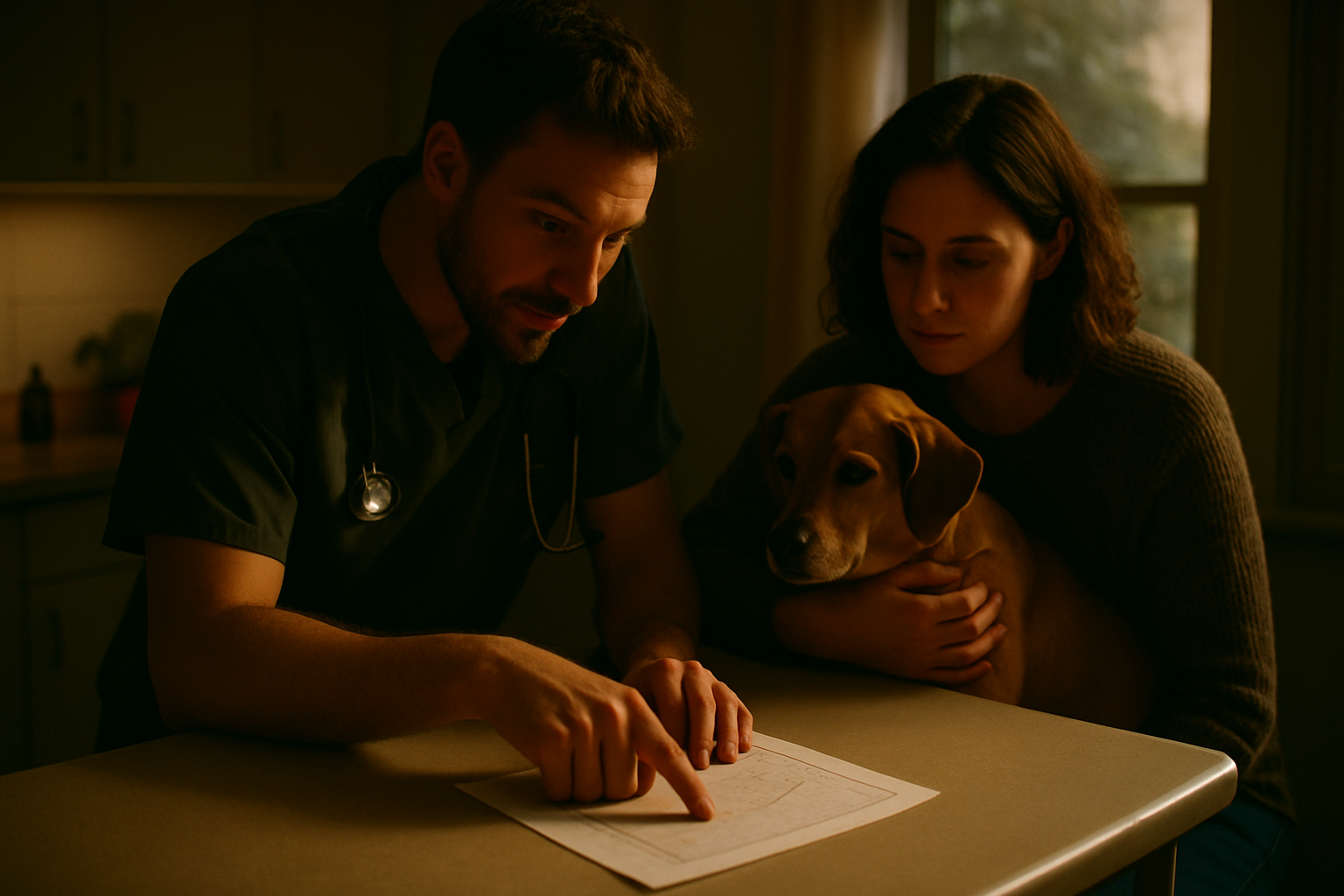
Life moves fast, and it is easy to assume your dog or cat is healthy because they still eat breakfast, greet you at the door, and ask to play. That is exactly why an annual pet wellness exam Colorado Springs families schedule each year matters. Many health changes happen slowly, and regular veterinary evaluations are often the clearest way to spot patterns before they become obvious at home.
Most adult dogs and cats should have a wellness exam once a year, while puppies, kittens, seniors, and pets with ongoing health needs may need visits more often. The right timing depends on age, medical history, lifestyle, and what your veterinarian is monitoring over time.
How often should my dog or cat have a wellness exam?
Most healthy adult pets are seen yearly, but exam frequency is individualized. Younger pets, older pets, and animals with changing health needs are often checked more often because small changes can happen faster during those life stages.
That yearly visit is not just a box to check. It gives your veterinary team a consistent point of comparison. If your dog gained four pounds over two years, if your cat's dental disease progressed since the last exam, or if a mild heart change sounds different this year, those details are easier to catch when visits happen regularly.
In general, a veterinarian may recommend different timing based on:
- Puppies and kittens. They usually need more frequent exams during growth and development.
- Healthy adult dogs and cats. Often seen annually for preventive care and trend tracking.
- Senior pets. Often benefit from more frequent monitoring because age-related changes can appear gradually.
- Pets with ongoing concerns. Mobility changes, dental issues, weight shifts, or chronic conditions may call for closer follow-up.
The American Animal Hospital Association, or AAHA, notes that regular wellness examinations are a cornerstone of preventive care because they help detect concerns early and track changes over time. That is part of why many local families look for an annual pet wellness exam Colorado Springs clinic they can return to year after year.
Myth: If my pet is eating, sleeping, and playing normally, they probably do not need an exam yet.
Reality: Dogs and cats often keep normal routines even while weight, dental health, heart findings, or mobility change little by little. A veterinarian can compare today’s exam with past visits in a way that is hard to do at home.
Why can pets seem healthy even when something is changing?
Pets can look fine at home because many medical and age-related changes are gradual, not dramatic. Families usually notice sudden problems first, while veterinarians are trained to notice slow shifts that only stand out when measured and compared over time.
At home, you see your pet every day. That is a wonderful thing, but it can make gradual change harder to spot. If your cat jumps onto the couch instead of the counter now, that may just seem like a new habit. If your dog takes a little longer to stand up each morning, it may seem like normal aging. If appetite is still good, many people naturally assume everything is fine.
Veterinary exams add a different perspective. They create a medical record that makes comparison possible. Instead of relying only on memory, your local veterinary team can ask:
- Has body weight shifted since last year?
- Is muscle mass the same as before?
- Does gait or joint motion look different from prior visits?
- Are teeth and gums healthier, unchanged, or worsening?
- Has a heart murmur appeared or changed?
A study published in the Journal of the American Veterinary Medical Association found that overweight and obesity affected 33 percent of dogs in the study population, with prevalence rising with age. That matters because weight gain often happens slowly, and many families do not recognize it right away without an objective exam and recorded trend. Source: Lund et al., JAVMA.
Here in Colorado Springs, CO, pets often stay active through changing seasons, from neighborhood walks in Black Forest to backyard play during dry summer months and icy winter mornings. That year-round activity can mask slow mobility or weight changes unless those changes are tracked consistently during wellness visits.
What does a veterinarian monitor over time that I may not notice at home?
Veterinarians track measurable, repeatable findings that tell a bigger story than one good day at home. Weight, body condition, dental health, mobility, skin changes, and heart or lung findings can all shift gradually and are easier to recognize when compared across visits.
This is one of the biggest reasons an annual pet wellness exam Colorado Springs pet owners schedule has long-term value. It is not only about what is visible today. It is about what is different from six months ago or one year ago.
Examples of changes a veterinarian may monitor include:
- Weight and body condition. A small increase each year may be hard to see when you live with your pet every day.
- Muscle tone. Loss of muscle can happen even if the scale number stays similar.
- Mobility. Joint stiffness, shortened stride, reluctance to turn, or subtle discomfort may show up during an exam.
- Heart findings. New or changing murmurs and rhythm differences are not usually detectable at home.
- Dental disease. Bad breath is common, but it can also be a clue to changes below the gumline.
- Skin, coat, ears, and eyes. Mild inflammation, lumps, or irritation may be easier to identify in a clinical exam setting.
The American Veterinary Dental College states that most dogs and cats show signs of dental disease by age three. That does not mean every pet needs the same treatment. It does show why regular exams matter, especially when mouth discomfort may not be obvious at home. Source: American Veterinary Dental College.
How do ongoing wellness visits support personalized care at every life stage?
Ongoing wellness visits support personalized care by matching exam timing and preventive recommendations to your pet’s age, history, and current findings. What matters for a kitten is different from what matters for a middle-aged dog or an older cat.
Life stage care is one reason routine visits feel more meaningful when you stay with the same clinic over time. A young pet may need close attention to growth, development, and early baseline health markers. An adult pet may benefit from monitoring weight trends, dental changes, and subtle behavior differences. A senior pet may need more frequent reassessment because aging can bring gradual changes in mobility, hearing, appetite patterns, or organ function.
At different stages, a wellness discussion may focus on:
- Establishing a healthy baseline early in life.
- Comparing adult exam findings year over year.
- Watching for age-related changes before they become obvious at home.
- Adjusting preventive care conversations based on the pet in front of you, not a generic timeline.
That is why I think of the annual pet wellness exam Colorado Springs families book as a continuing conversation, not a one-time event.
Why does seeing a local Colorado Springs veterinary team regularly improve continuity of care?
Seeing the same local team regularly improves continuity because your veterinarian gets to know your pet’s normal patterns, your concerns, and the details of prior exams. That history can make subtle change easier to interpret than a single visit with no long-term comparison.
Continuity matters in practical ways. A local veterinary team can review past weights, compare dental notes, revisit a mild heart sound, and ask whether the same mobility issue is happening more often than before. They also get to know your priorities as a pet owner, which helps make care discussions clearer and more useful.
For Colorado Springs dog and cat owners, that continuity can mean:
- A more familiar baseline for your pet’s behavior and exam findings.
- Clearer year-to-year tracking in one medical record.
- More informed conversations about aging changes.
- A place to ask questions before concerns feel urgent.
At a family-owned clinic like Ponderosa Veterinary Clinic, local relationships are part of the care itself. You are not starting from scratch each time. If you are searching for an annual pet wellness exam Colorado Springs pet owners can rely on through every life stage, that long-term relationship is part of what makes preventive care more personal.
A common mistake I see
Many families wait for a clear symptom before scheduling. The challenge is that waiting works best for sudden problems, not gradual ones. Slow weight gain, mild dental disease, or early mobility changes often do not announce themselves loudly at home.
Timber's Insights
I like to remind people that pets are really good at being themselves, even while small things are changing. A dog can still bring you a toy and have a little more stiffness than last year. A cat can still eat dinner and have dental changes you would never see during a normal evening at home. That is why I think regular wellness visits matter so much.
At Ponderosa Veterinary Clinic, I would want you to think of the exam as a chance to compare notes, not just react to problems. Tell your veterinary team what feels a little different, even if it seems minor. Maybe your pet pauses before jumping, sleeps harder after play, or has gained a little weight since last winter. Those details are useful because they help turn a one-day visit into a more complete picture over time.
What should I discuss at my pet’s next wellness appointment?
Your next wellness appointment is a good time to discuss patterns, not just obvious symptoms. Small behavior, appetite, mobility, or weight changes can be useful conversation points because they help your veterinarian compare home observations with exam findings.
If you are planning your pet’s next visit, consider bringing up:
- Any changes in activity level or stamina.
- Jumping, stairs, getting up, or playing differently than before.
- Breath odor, chewing habits, or dropping food.
- Weight changes, even if they seem minor.
- New lumps, skin changes, or coat differences.
- Questions about how often your specific pet should be seen.
Helpful questions for your wellness discussion
- What changes are you tracking from my pet’s last exam?
- Does my pet’s age suggest more frequent visits now?
- Are there dental, weight, or mobility trends I should watch at home?
- What should prompt me to schedule sooner than the next routine visit?
Frequently Asked Questions
How often should my dog or cat have a wellness exam?
Most healthy adult pets are seen once a year. Puppies, kittens, senior pets, and pets with ongoing health concerns may need exams more often based on your veterinarian’s recommendations.
Why does my pet need an exam if they seem normal at home?
Many health changes develop gradually. Regular exams help a veterinarian compare weight, mobility, dental health, and other findings over time, which can reveal patterns that are hard to notice day to day.
What is the difference between home observation and a wellness exam?
Home observation is important, but it is naturally subjective. A wellness exam adds clinical evaluation and documented comparison with past visits, which helps create a clearer long-term health picture.
Do senior pets need more frequent wellness visits?
Many do. Older pets can develop age-related changes more quickly, so veterinarians often recommend more frequent monitoring to follow those shifts more closely.
Why choose a local Colorado Springs veterinary team for routine care?
Consistent care with one local team improves continuity. It gives your veterinarian a stronger understanding of your pet’s history, prior exam findings, and changing needs over time.
Schedule a wellness discussion in Colorado Springs
If you are looking for an annual pet wellness exam Colorado Springs families can count on through every life stage, Ponderosa Veterinary Clinic is here to help with clear, compassionate guidance for dogs and cats. Visit ponderosavetclinic.com to request an appointment with our local team in Colorado Springs, CO. We Believe in a Compassion-First Approach. This article is general information, not medical advice. Talk with your veterinarian about your specific situation.
Request an appointmentExplore more, or reach out directly to Ponderosa Veterinary Clinic in Colorado Springs, CO.