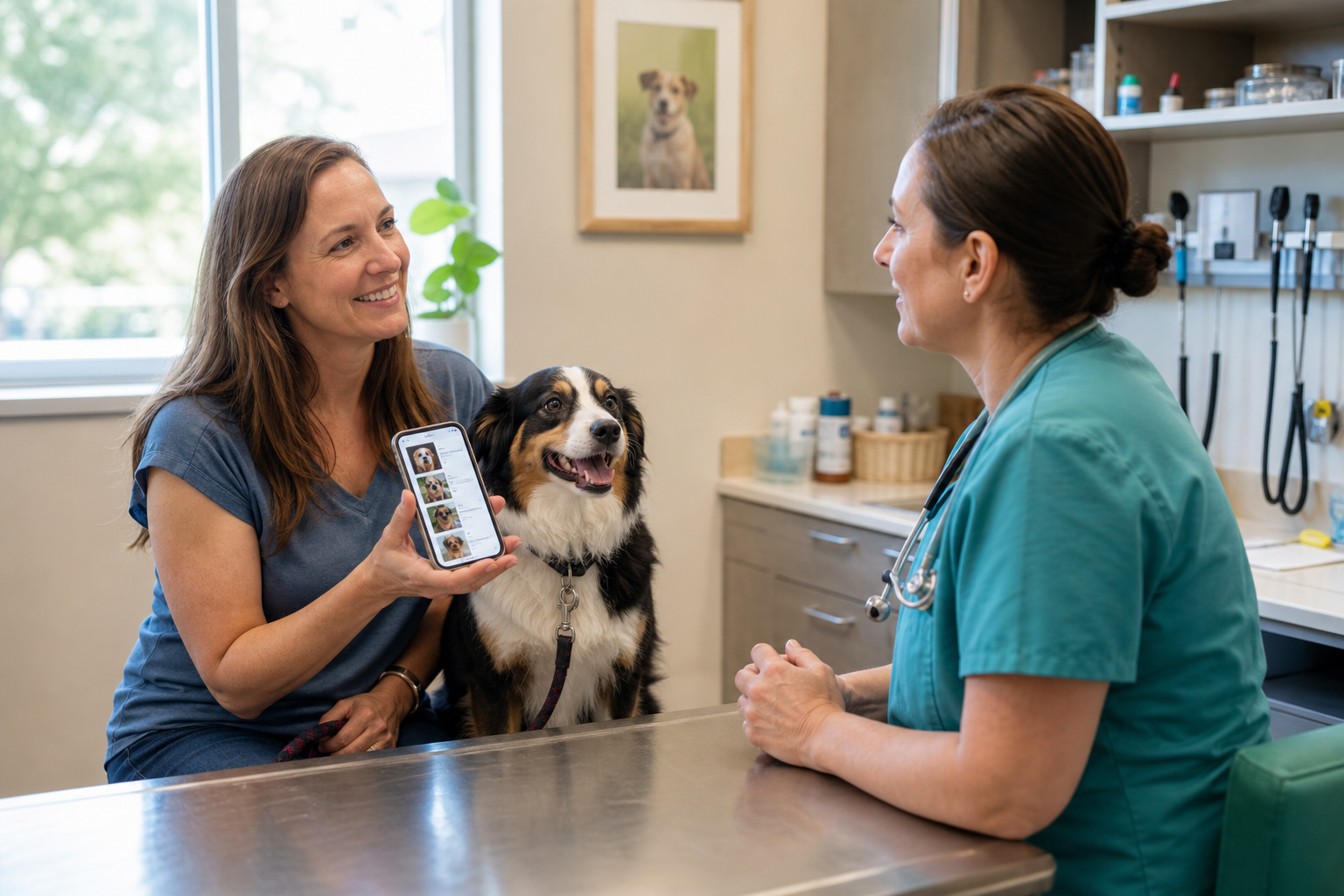
Summer in Colorado Springs can change your pet's routine faster than you expect. Longer walks at Palmer Park, weekend trips toward Black Forest, hotter afternoons, different feeding times, and extra guests at home can all make small behavior changes easy to miss. That is why how to prepare for a pet wellness exam is not just about showing up on time. The story you bring with you can be just as useful as the physical exam itself.
Bring a short timeline of any changes you have noticed, plus photos, videos, current medications, supplement details, food information, and your questions. Tracking when changes in water intake, eating, activity, bathroom habits, or behavior started gives your veterinarian context that can shape the conversation during a wellness visit.
What should I bring or track before my dog or cat's wellness exam?
Bring information that helps your veterinarian understand patterns over time, not just what your pet looks like in the exam room that day. A few notes on appetite, thirst, energy, medications, and timing can make a wellness visit more meaningful and more transparent for you as an owner.
If you want the simple version of how to prepare for a pet wellness exam, start here:
- A timeline of changes you have noticed
- Photos or videos of anything hard to describe
- A current list of medications, supplements, and preventives
- The brand and type of food, treats, and any recent diet changes
- Questions you do not want to forget during the appointment
- Records from other clinics, urgent care visits, or specialists if relevant
That timeline matters because details like "drinking more water for three weeks" and "slowing down only since last weekend" do not mean the same thing. Timing helps your veterinarian organize possibilities, decide what deserves a closer look, and explain next steps more clearly.
A practical note to keep on your phone
- Date you first noticed the change
- Has it stayed the same, worsened, or come and gone?
- Anything that changed at home, outdoors, or in routine around that time?
- Any missed doses, new treats, boarding, hiking, travel, or visitors?
Why does timing matter so much during a wellness visit?
Timing helps connect the dots. A veterinarian is not just asking what changed, but when it changed, how quickly it changed, and what else was happening around the same time. That context can shape which questions come next and whether a change sounds occasional, seasonal, or persistent.
Here is a simple example:
- Weaker version: "My dog has been off lately."
- Stronger version: "For about 18 days, she has been leaving some breakfast behind, drinking more in the evening, and wanting to head home early on walks."
The second version gives a veterinarian something concrete to work with. It turns a vague concern into a timeline with patterns.
I like to remind owners that memory smooths things over. Details blur together, especially during a busy Colorado Springs summer when pets may be hiking one day, resting in the air conditioning the next, and spending weekends with family or pet sitters.
General veterinary guidance also supports tracking basic daily changes. The American Veterinary Medical Association encourages owners to pay attention to shifts in eating, drinking, energy, and behavior because these observations help inform discussions with a veterinarian. For cats in particular, the American Association of Feline Practitioners has long emphasized that behavior changes at home often provide key context during routine care visits.
In Colorado Springs, summer heat, altitude, dry air, and more outdoor activity can all change how pets act day to day. A dog that seems tired after a hot hike near Garden of the Gods may simply have had a demanding day, but a pattern of reduced stamina over several weeks is the kind of detail worth bringing to a wellness exam.
Which small changes are most useful to track before the exam?
The most useful changes are the ones that show a pattern. Water intake, eating habits, activity, bathroom routines, and behavior at home often give the clearest day-to-day context because owners see those things long before a veterinarian does.
Useful observations to track include:
- Water intake: Filling the bowl more often, emptying it faster, waking to drink at night
- Eating habits: Slower eating, skipping meals, begging more, losing interest in usual treats
- Activity: Less interest in walks, slower recovery after play, avoiding stairs or jumping
- Bathroom habits: Asking to go out more often, larger clumps in the litter box, changes in stool consistency
- Behavior: Restlessness, clinginess, hiding, irritability, pacing, or sleeping in new places
- Physical changes: Weight shifts, coat changes, lumps, limping, bad breath, or scratching
You do not need perfect measurements. "Drank two bowls instead of one for the past week" is useful. "Has seemed thirstier since we got back from boarding" is useful. "Sometimes weird" is much harder to interpret.
A 2024 survey from the American Animal Hospital Association found that pet owners value clear communication and want to better understand what veterinarians are seeing and why recommendations are made. Bringing organized observations helps that conversation go both ways, which is exactly how relationship-based wellness care should feel.
If summer routines also mean changes in parasite prevention, this is a good time to review summer parasite prevention in Colorado Springs and mention any missed doses during the visit.
A common mistake
Owners often wait to mention a small change because it does not seem dramatic enough. In my experience, the pattern matters more than the drama. A mild change that has lasted a month can be more informative than a single unusual day.
How do photos, videos, and medication updates help my veterinarian?
Photos, videos, and accurate medication lists add context that memory alone may miss. They can show what a limp looked like at home, document a skin change over time, or clarify exactly what your pet has been taking between visits.
Bring or have ready:
- Photos of lumps, rashes, stool changes, or anything that looked different last week than it does now
- Short videos of coughing, limping, pacing, head shaking, or unusual movement
- Medication names, doses, and how often they are given
- Supplements, dental products, calming chews, and over-the-counter items
- Any recent changes in flea, tick, or heartworm prevention
That last point matters more than many owners expect. If timing around preventives or vaccines has changed, it helps to say so directly. Ponderosa Veterinary Clinic aims for transparent conversations, and the clearest conversations start with complete information. If you are sorting out scheduling questions ahead of the visit, these articles on a missed vaccine appointment and how preventive care plans change as pets age are useful places to start.
Timber's Insights
I have a soft spot for the owner who walks in and says, "I wrote this down because I knew I would forget." That little note is often gold. It tells us what life looks like at home, which is where your dog or cat spends nearly all of their time. In the exam room, some pets act nervous, excited, stoic, or completely different from normal. Your observations fill in the part we cannot see in a 30 minute visit.
If you are wondering how to prepare for a pet wellness exam, please do not overcomplicate it. A phone note, two photos, and a list of questions is enough to make the visit better. I would rather have a simple honest timeline than a polished story that skips the small stuff. Small stuff is often what gives the conversation shape.
"A phone note, two photos, and a list of questions is enough to make the visit better." Timber
What questions should I write down before the appointment?
Write down the questions you are most likely to forget once the appointment starts. A short list helps you use the visit well and gives your veterinarian a better sense of your priorities, concerns, and what you want explained in plain language.
Your list might include questions like:
- Have you noticed any change in my pet's weight or body condition since the last visit?
- Do these activity changes sound worth monitoring more closely?
- Is this food still a good fit for my pet's age and lifestyle?
- Are there preventive care updates we should discuss this season?
- Does this breath odor, chewing change, or drooling mean I should schedule a dental evaluation?
If dental concerns are on your mind, Ponderosa's article on when your dog or cat needs a dental exam can help you organize what to mention.
I am a big fan of owners who say the quiet concern out loud. The thing you almost leave out is often the thing you most wanted explained.
Myth: If I cannot measure something exactly, it is not worth mentioning.
Reality: Approximate but dated observations are still very helpful. "Eating slower for about two weeks" gives more context than no timeline at all.
How does Ponderosa Veterinary Clinic use this information during wellness visits?
Ponderosa Veterinary Clinic uses owner-provided details to build a clearer, more transparent conversation. The goal is not just to perform an exam, but to understand the pet in the context of daily life, season, age, and routine here in Colorado Springs.
That relationship-based approach matters because wellness care is a partnership. The clinic team brings the exam, training, and diagnostics when needed. You bring the day-to-day story. Together, those pieces make a fuller picture.
That is especially helpful during seasons when routines shift quickly. A family may be hiking more, traveling more, boarding pets, or simply spending longer hours away from home. If any of that overlaps with behavior changes, it is worth mentioning. For owners planning outdoor trips or local travel, Ponderosa has also shared guidance on small health changes worth discussing before you leave.
If you are looking for how to prepare for a pet wellness exam, think less about bringing a perfect report and more about bringing honest context. That is how good questions turn into productive visits.
Frequently Asked Questions
These are the questions I hear most often from dog and cat owners getting ready for a routine visit.
Should I track food and water for just one day or longer?
Longer is usually more helpful if you have noticed an ongoing change. Even a few days to two weeks of notes can show a pattern better than a single day.
Do I need exact measurements of water intake?
No. Exact numbers can be helpful if you already have them, but general observations like "refilling the bowl twice as often" still add value.
What if I forgot when a change started?
Give your best estimate and say that it is an estimate. A rough timeline is still better than none.
Should I bring the medication bottles?
Bringing the bottles or clear photos of the labels can help avoid confusion, especially if there have been recent changes in dose or product.
Is a video really worth taking?
Yes, especially for things that may not happen in the exam room, such as coughing, limping after rest, head shaking, or unusual behavior at home.
Schedule a wellness exam with a better story in hand
If you have noticed ongoing changes in your dog's or cat's water intake, eating habits, activity, or daily routine, Ponderosa Veterinary Clinic in Colorado Springs can help you talk through those details during a transparent, relationship-based visit. Bring your notes, photos, and questions, and start the conversation. How to prepare for a pet wellness exam does not have to be complicated. It just needs to be useful. Visit ponderosavetclinic.com to request an appointment. We Believe in a Compassion-First Approach. This article is general information, not medical advice. Talk with your veterinarian about your specific situation.
Request an appointmentExplore more, or reach out directly to Ponderosa Veterinary Clinic in Colorado Springs, CO.