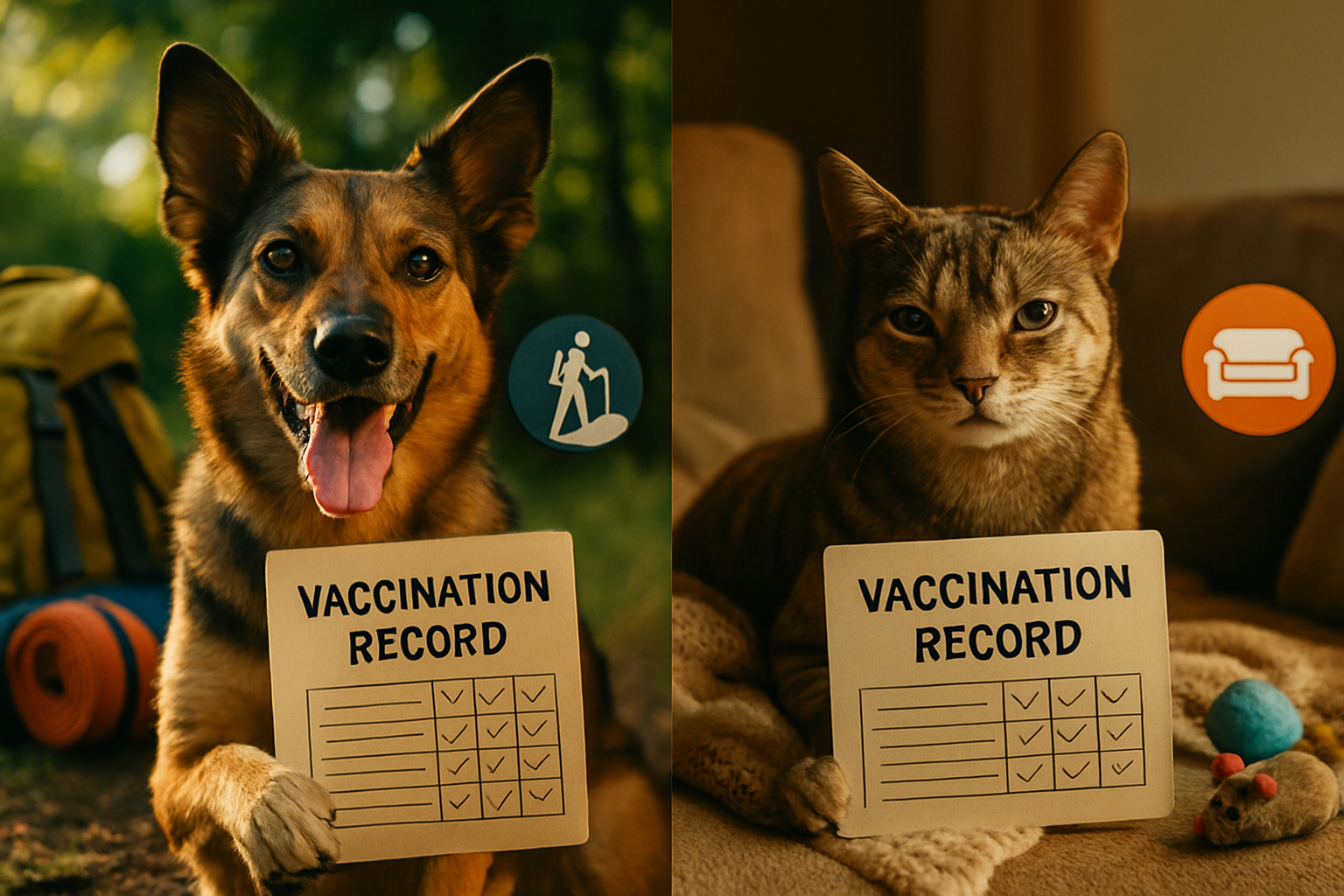
Planning a summer boarding stay, heading to the dog park, taking your cat on road trips, or letting your pet explore the yard more often? Those everyday choices can affect a pet vaccination schedule Colorado Springs families discuss with their veterinarian, because the right plan is based on how each dog or cat actually lives, not on a one-size-fits-all calendar.
How is a vaccination schedule determined for my pet? A veterinarian looks at core vaccine needs first, then adjusts timing and recommendations based on your pet's age, species, health history, home environment, travel, social exposure, and local risk factors. A personalized plan is designed around routine and risk, not a single identical schedule for every pet.
How is a vaccination schedule determined for my pet?
A vaccination schedule is determined by combining essential protection with your pet's real-world exposure. Your veterinarian considers age, medical history, daily routine, contact with other animals, travel, and local conditions in Colorado Springs before recommending which vaccines are most relevant and when they should be given.
That means two healthy pets living in the same city may still need different plans. A puppy who visits training classes, boarding facilities, and public parks may have different vaccine discussions than a senior dog who mostly stays home. A strictly indoor cat may have different needs than a cat who explores patios, garages, or outdoor spaces.
At Ponderosa Veterinary Clinic, the goal is personalized preventive care. Instead of assuming every pet needs the same schedule, your veterinary team looks at the full picture, including:
- Life stage. Puppies, kittens, adults, and seniors have different timing considerations.
- Species. Dogs and cats face different exposure patterns.
- Lifestyle. Boarding, daycare, grooming, dog parks, hiking, and travel all matter.
- Environment. Indoor-only, indoor-outdoor, multi-pet homes, and wildlife exposure can change risk.
- Health background. Previous vaccine history, chronic conditions, and overall wellness are part of the conversation.
Here in Colorado Springs, seasonal routines can shift quickly. Summer often means more boarding, mountain travel, patio time, trail walks, and contact with other pets. Even families in the Black Forest area may see their pet's exposure change from one season to the next, which is why lifestyle updates are so important during wellness visits.
What is the difference between core and lifestyle-based vaccines?
Core vaccines are generally recommended for most pets because they protect against serious, widespread risks. Lifestyle-based vaccines are considered based on exposure, habits, and environment. That distinction is one reason a pet vaccination schedule Colorado Springs pet owners receive should be individualized rather than copied from a generic list.
In general terms:
- Core vaccines are the foundation of preventive care. They are commonly recommended for broad protection because certain diseases are severe, highly transmissible, or considered widely important to prevent.
- Lifestyle-based vaccines are added or discussed when a pet's routine increases the chance of exposure. Examples of lifestyle factors include boarding, dog parks, group training, outdoor roaming, wildlife contact, or travel.
For example, a dog who spends time in social settings may have different vaccine conversations than a dog who rarely meets unfamiliar dogs. A cat who never leaves the home may have a different plan than one who goes outside or visits a groomer, sitter, or boarding facility.
The American Animal Hospital Association and the American Association of Feline Practitioners both support risk-based vaccination planning through veterinary evaluation. Their guidelines are widely used as educational references for creating individualized recommendations rather than identical schedules for every household.
Which lifestyle factors can change my dog or cat's vaccine recommendations?
The biggest lifestyle factors are social contact, outdoor exposure, travel, and shared environments. Boarding, dog parks, hiking, training classes, multi-pet homes, and any routine that increases contact with other animals or contaminated spaces can influence vaccine discussions.
Summer is a good example because routines often expand all at once. Families may board pets during vacations, take road trips, visit relatives, or spend more time outdoors. Those changes can affect what your veterinarian wants to review during a wellness appointment.
Common lifestyle factors veterinarians evaluate include:
- Boarding or daycare. Facilities may have their own vaccine requirements, and close contact with other pets can increase exposure opportunities.
- Dog parks and group classes. Shared spaces and nose-to-nose interaction matter.
- Travel. Leaving the Colorado Springs area can introduce different requirements or exposure patterns.
- Outdoor exploration. Trails, campgrounds, backyards, and rural properties may increase environmental contact.
- Wildlife or stray animal exposure. This can be relevant for both dogs and cats.
- Indoor versus indoor-outdoor living. Cats especially may have very different risk levels depending on access to the outdoors.
- Household changes. A new puppy, foster pet, pet sitter, or move can alter risk.
According to the American Pet Products Association's 2023 to 2024 National Pet Owners Survey, 66 percent of U.S. households own a pet. With so many pets sharing neighborhoods, parks, boarding settings, and community spaces, exposure patterns are rarely identical from one family to another. That is why your pet's routine matters so much during preventive care planning.
Why does discussing my routine with the veterinarian matter so much?
Your routine helps the veterinarian understand risk that is not visible on an exam alone. A pet can look healthy in the appointment room, but details like weekend hikes, upcoming boarding, or backyard wildlife encounters may change which vaccines are discussed and how future visits are timed.
This conversation matters because pets do not all live the same life. Small details are often the most helpful, such as:
- Whether your dog meets unfamiliar dogs regularly
- Whether your cat slips into the garage or patio area
- Whether you plan to travel this season
- Whether your pet visits groomers, sitters, or boarding facilities
- Whether there are children, new pets, or foster animals in the home
I always tell families that preventive care works best when it reflects real life. If your pet's lifestyle changed since the last visit, even in a small way, it is worth bringing up.
"The best vaccine conversation starts with an honest picture of your pet's everyday life. Not the perfect routine, the real one." Timber
How do age, health history, and timing affect the plan?
Age and history matter because vaccine planning is not only about exposure. Puppies and kittens, adult pets with known vaccine records, newly adopted pets, and seniors may each need a different starting point or timing discussion based on prior care and overall health status.
Veterinarians often review:
- Current age. Young pets often follow a series-based timeline, while adult pets may be reviewed differently.
- Previous records. Documented vaccine history helps guide next steps.
- Adoption or rescue background. Sometimes records are incomplete or unavailable.
- General health. Recent illness, chronic conditions, and wellness status can affect planning conversations.
- Upcoming events. Boarding reservations or travel dates may affect scheduling discussions.
This is also why a pet vaccination schedule Colorado Springs pet owners see online should never replace an exam and discussion. Online timelines can be useful as general education, but they cannot evaluate your pet's individual health background.
What to bring to a vaccine planning appointment
- Any previous vaccine records
- Your boarding, daycare, or travel plans
- A list of your pet's regular activities
- Questions about indoor, outdoor, or social exposure
- Any recent health changes you have noticed
How does pricing work for pet vaccines?
Pricing depends on your pet's individual needs, because the visit may include different vaccines, exam findings, timing considerations, and preventive care discussions. Rather than assuming a single package price, it is more accurate to think of vaccination cost as part of a personalized wellness plan.
That is especially important when comparing pets with very different lifestyles. A young dog preparing for boarding may need a different conversation than a senior indoor cat. One family may combine vaccines with a wellness exam, parasite prevention review, or health certificate discussion, while another may not.
At Ponderosa Veterinary Clinic, transparent guidance matters. If you have questions about what your pet may need and how that affects the visit, the best next step is to ask for an appointment and discuss your pet's routine. That helps you get a recommendation based on value and relevance, not guesswork.
Timber's Insights
I like to remind pet families that no one wins when we pretend every dog or cat lives the same life. One pup may spend Saturdays at Garden of the Gods trails and weekdays in daycare. Another may nap on the couch, take neighborhood walks, and never board. Cats are the same way. Some are true indoor homebodies, and some are expert door-darters with big outdoor opinions.
From my spot as the friendly clinic companion, I have seen that the most helpful appointments are the honest ones. Tell us if your plans changed. Tell us if your dog started going to the park. Tell us if your cat now sneaks onto the deck. Those little details help your veterinary team build a preventive care plan that fits your pet's real life, and that is what personalized care is all about.
What questions should I ask during my pet's vaccine appointment?
The best questions focus on lifestyle, timing, and future plans. Asking how your pet's routine affects recommendations can help you understand why certain vaccines are discussed and whether any upcoming events in Colorado Springs or beyond should be part of the plan.
Helpful questions include:
- Which vaccines are considered core for my pet?
- Which recommendations are based on lifestyle or exposure?
- How do boarding, travel, or dog park visits affect the schedule?
- Has my pet's age or health history changed the plan?
- When should I schedule ahead for boarding or travel needs?
- Are there local Colorado Springs factors I should keep in mind?
Frequently Asked Questions
Do all dogs in Colorado Springs need the same vaccine schedule?
No. Dogs may share some core vaccine needs, but their full plan can vary based on age, health history, social exposure, boarding, travel, and outdoor activities.
Do indoor cats still need vaccine discussions?
Yes. Indoor lifestyle is an important factor, but veterinarians still review age, history, household changes, possible escape risk, and any future travel or boarding needs.
Should I update my veterinarian before a boarding stay?
Yes. Boarding plans are worth mentioning early because facilities may have requirements, and your veterinarian may want to review your pet's records and timeline well before drop-off.
Can summer activities affect a pet vaccination schedule Colorado Springs families follow?
Yes. Summer often brings more boarding, travel, outdoor recreation, and contact with other pets, all of which can affect what is discussed during preventive care planning.
Why is a wellness exam important when discussing vaccines?
A wellness exam gives the veterinarian current context about your pet's overall health, history, and lifestyle so vaccine recommendations can be personalized rather than generic.
How often should I review my pet vaccination schedule Colorado Springs veterinarian recommendations with my clinic?
Review it whenever your pet is due for routine wellness care, and any time lifestyle changes occur, such as travel, boarding, new social exposure, or changes in outdoor access.
Discuss a personalized vaccine plan for your pet
If you are looking for a pet vaccination schedule Colorado Springs pet owners can feel confident about, start with a conversation about your dog or cat's real daily life. Ponderosa Veterinary Clinic helps families in Colorado Springs build personalized preventive care plans that fit each pet's age, routine, and needs. Visit ponderosavetclinic.com to request an appointment. We Believe in a Compassion-First Approach. This article is general information, not medical advice. Talk with your veterinarian about your specific situation.
Request an appointmentExplore more, or reach out directly to Ponderosa Veterinary Clinic in Colorado Springs, CO.