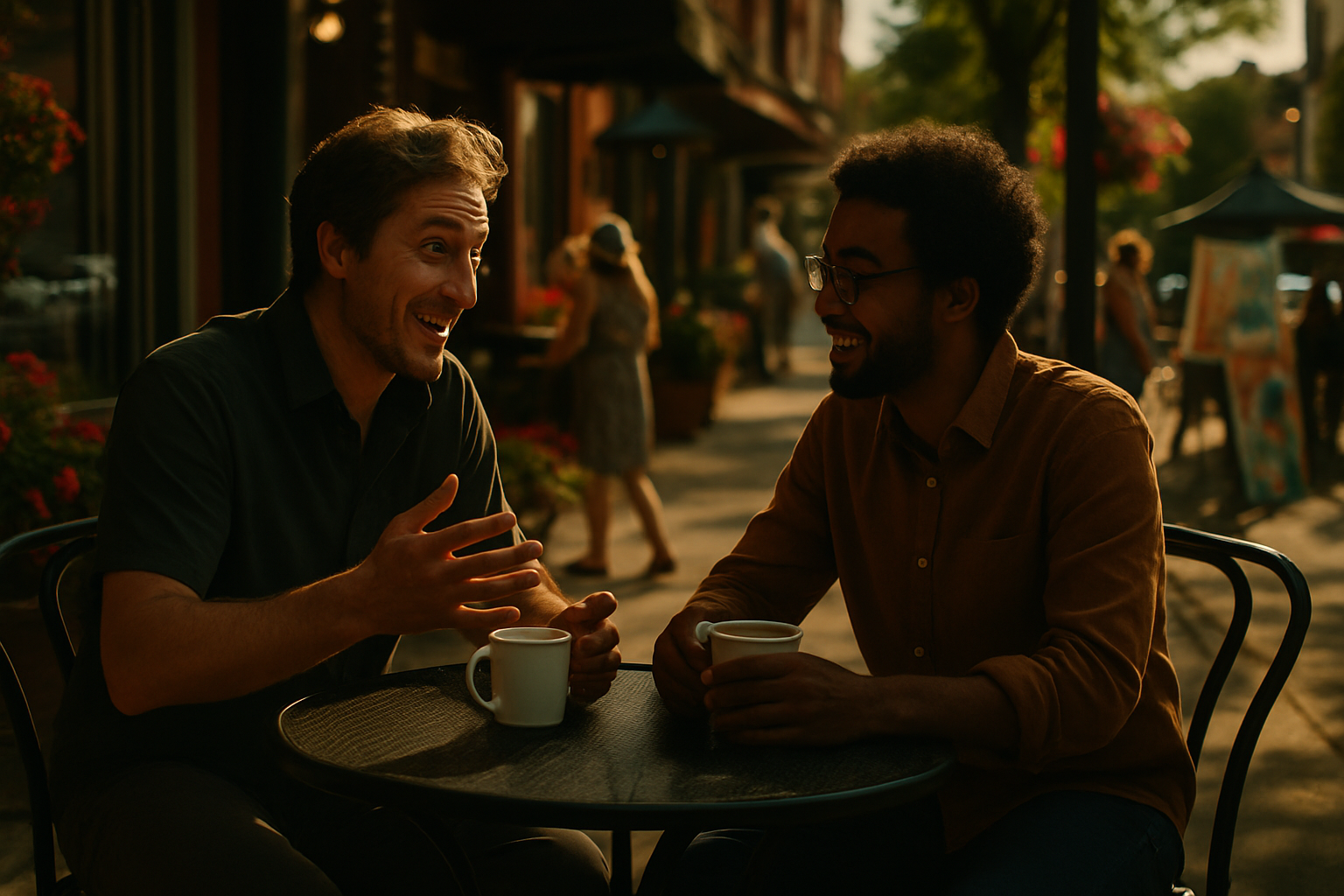
By the time summer weekends hit Colorado Springs, dozens of businesses are fighting for the same patio tables, festival crowds, trail travelers, and family plans. That is exactly why smart Colorado Springs business collaborations can do more than share attention. They can create a bigger story, reach the right people faster, and keep each brand recognizable instead of blending everything into one noisy promotion.
Local businesses can increase visibility during summer by pairing with a complementary partner that serves the same audience before, during, or after the same outing. The best Colorado Springs business collaborations use shared calendars, clear brand roles, and measurable goals like lead quality, event attendance, bookings, foot traffic, and repeat visits. The key is choosing partners that fit naturally, not just businesses that want exposure.
Why summer is the perfect season for cross-promotion in Colorado Springs
Summer in Colorado Springs has a pace all its own. People are moving between outdoor concerts, farmers markets, sports tournaments, hiking days, patio dinners, and weekend events that fill calendars fast. That creates a simple opportunity. If two businesses show up together in a way that makes the day easier, more fun, or more memorable, they can borrow attention without giving up identity.
The strongest Colorado Springs business collaborations do not ask, “How do we split a discount?” They ask, “What is the shared experience our customers already want?” That question changes everything. It moves the partnership from a random shoutout to a useful summer plan.
Partnership fit first, promotion second
Before anyone posts a graphic or schedules a reel, the partnership has to make sense on the street. I look at whether the businesses serve the same customer mindset, not just the same zip code. A retail shop and a food vendor can work if the retail buyer browses before dinner. A gym and a wellness provider can work if both meet the same person recovering, training, or trying to feel better this summer. A service business and an entertainment venue can work if one solves a problem and the other creates a reason to come out.
That kind of fit matters because it protects both brands. Each business keeps its own voice, offer, and look. The collaboration is the bridge, not the identity.
Three partnership patterns that work especially well
Retail plus food. A boutique can partner with a local café, dessert shop, or food truck near a summer street market or shopping day. The retail side gets dwell time and foot traffic. The food partner gets a ready-made crowd that is already out and spending.
Fitness plus wellness. A gym, yoga studio, running group, massage therapist, or recovery-focused provider can build a summer experience around training cycles, event prep, or post-activity recovery. The message is not “buy more.” It is “feel ready for the season.”
Services plus entertainment. A home service company, photographer, event vendor, or local professional can team up with a concert, game, festival, or venue-based experience. One brand brings a solution. The other brings the energy. Together they create a memorable reason to engage.
The biggest mistake is forcing a partnership because both brands want summer visibility
If the customer would never naturally use both businesses in the same season, the campaign will feel stitched together. A good collaboration should answer a real customer sequence. “I shopped, then ate.” “I trained, then recovered.” “I booked, then attended.” If you cannot explain the sequence in one sentence, the fit is probably too thin.
How to build a shared summer campaign without losing your own brand
The cleanest Colorado Springs business collaborations usually start with a shared theme, then separate execution. That means both businesses agree on the summer moment, but each one speaks to its own audience in its own voice. One can be playful. The other can be polished. One can focus on convenience. The other can focus on experience. The connection is the campaign, not a merged identity.
Think of it like a relay instead of a merger. Each business runs its part of the race, and the handoff is what makes the whole thing work.
Partner selection criteria that should be on the table early
- Do both brands serve a similar customer type or buying mindset?
- Can each partner contribute something distinct, such as reach, location, expertise, inventory, or event access?
- Will the collaboration feel natural to customers in Colorado Springs during summer?
- Can both teams agree on brand boundaries, visuals, and messaging before launch?
- Will the partnership create measurable outcomes beyond likes and shares?
Brand boundaries are not a problem. They are the point. A collaboration works best when a customer can still tell which business is which at a glance. Use separate logos where appropriate, separate calls to action, and visuals that preserve each brand’s style. Shared promotion should connect the dots, not erase the edges.
Shared promotional calendars keep summer campaigns from getting messy
One reason collaborations fall apart is timing. A partner posts too early, the other posts too late, and the customer never sees the full picture. A shared promotional calendar solves that by mapping the campaign before the first announcement goes live. For summer, that usually means three phases.
First comes the tease. That is where both brands hint at the shared experience and build curiosity. Next comes the active promotion, when the offer, event tie-in, or partnership story is visible on both sides. Last comes the follow-through, which captures photos, recap content, and any next-step invitation after the summer moment passes.
"A collaboration should feel like one summer story told from two strong voices, not one company borrowing another company’s audience."
That calendar also helps with operations. If a retail partner needs inventory for a weekend push, or a fitness partner needs class space before a seasonal event, the schedule keeps the campaign realistic. It is much easier to protect brand quality when both sides know what happens on each date.
Measurement should go beyond impressions
Social media impressions are helpful, but they do not tell the whole story. A collaboration can look busy online and still miss the real business goal. To know whether a summer partnership worked, measure the outcomes tied to actual customer behavior.
Start with the goal. If the goal is awareness, look at local reach, direct searches, and website visits from campaign content. If the goal is sales, track redemption, in-store traffic, booked appointments, or package sign-ups. If the goal is event energy, measure attendance, dwell time, vendor interaction, and follow-up inquiries. A good campaign gives you data you can use next time.
Myth. A collaboration is successful if it generates a lot of buzz.
Reality. Buzz only matters if it moves people to act. The better question is whether the partnership created new customers, stronger bookings, better foot traffic, or repeat visits from people who had not engaged before.
One useful way to review a summer campaign is to compare the week before, during, and after the collaboration. Did call volume change? Did new customers mention the partner by name? Did one business introduce the other to a new audience segment? Those are the numbers that tell the real story.
Examples of Colorado Springs business collaborations that feel natural
A downtown boutique and a nearby café can build a “shop and linger” summer weekend. The boutique offers the browsing experience. The café gives people a reason to extend the visit. Both businesses benefit from longer time on the block and more cross-traffic.
A fitness studio and a wellness provider can create a summer recovery bundle around an active lifestyle event. One partner invites the energy. The other supports the reset. That combination works especially well in a city like Colorado Springs, where people spend real time outdoors and want recovery that fits the season.
A local service company and an entertainment venue can create a pre-event or post-event visibility push, especially around large community weekends. The service business gets a warmer introduction than a cold ad would deliver, and the venue gets a sponsor-like partner that adds usefulness without overpowering the event.
How to keep each brand distinct while still sharing the spotlight
The clearest collaborations use a simple rule. Share the moment, not the message template. That means each partner keeps its own tone, visuals, and audience angle while aligning on the common event or theme. One business may highlight convenience. Another may highlight excitement. The shared campaign makes both relevant without flattening them into one voice.
That distinction matters in Colorado Springs, where customers notice authenticity quickly. People here can spot a forced campaign. They also know when two local businesses genuinely fit together. The difference is in the details. It shows up in the photo style, the wording, the timing, and the real-world value the customer gets from participating.
A quick note from Framed Event
What I love about a strong summer partnership is how it feels in the room or on the street. You can tell when the timing is right. The crowd is moving, the music is up, the storefront is busy, and both brands are still themselves. That is the sweet spot. I never want a collaboration to look like two businesses trying to share one personality. I want it to feel like two good names making the same night better. That is what people remember long after the weekend ends.
Colorado Springs has a summer rhythm that rewards well-timed partnerships. Between sunny afternoons, evening events, and busy weekends across areas like Downtown, Old Colorado City, and the Broadmoor side of town, businesses have a real chance to meet customers when they are already out and ready to explore.
Frequently Asked Questions
How can local businesses partner to increase visibility during summer?
They can team up with a complementary business that already serves the same customer during the same season, then plan a shared campaign around a real summer moment, such as shopping, dining, training, recovery, or attending an event. The best collaborations use clear roles, a shared calendar, and metrics tied to actual customer behavior.
What makes a partnership worth trying?
It should bring something new to both audiences. If the partner adds reach, trust, location advantage, or a better customer experience, the collaboration is worth exploring.
Do both brands need to promote the same way?
No. They should coordinate the timing and the core message, but each brand should still sound and look like itself.
What should businesses measure besides social media engagement?
Track booked appointments, foot traffic, inquiries, event attendance, repeat visits, customer mentions, and campaign-specific sales or redemptions.
Ready to build a summer collaboration that actually feels local?
K2Q Factory helps brands turn shared moments into visuals people remember. If you want your next campaign to look as strong as it feels, let’s talk about a collaboration that keeps both businesses distinct and unforgettable. *Turn big moments into unforgettable visuals*
Start the conversation with K2Q Factory