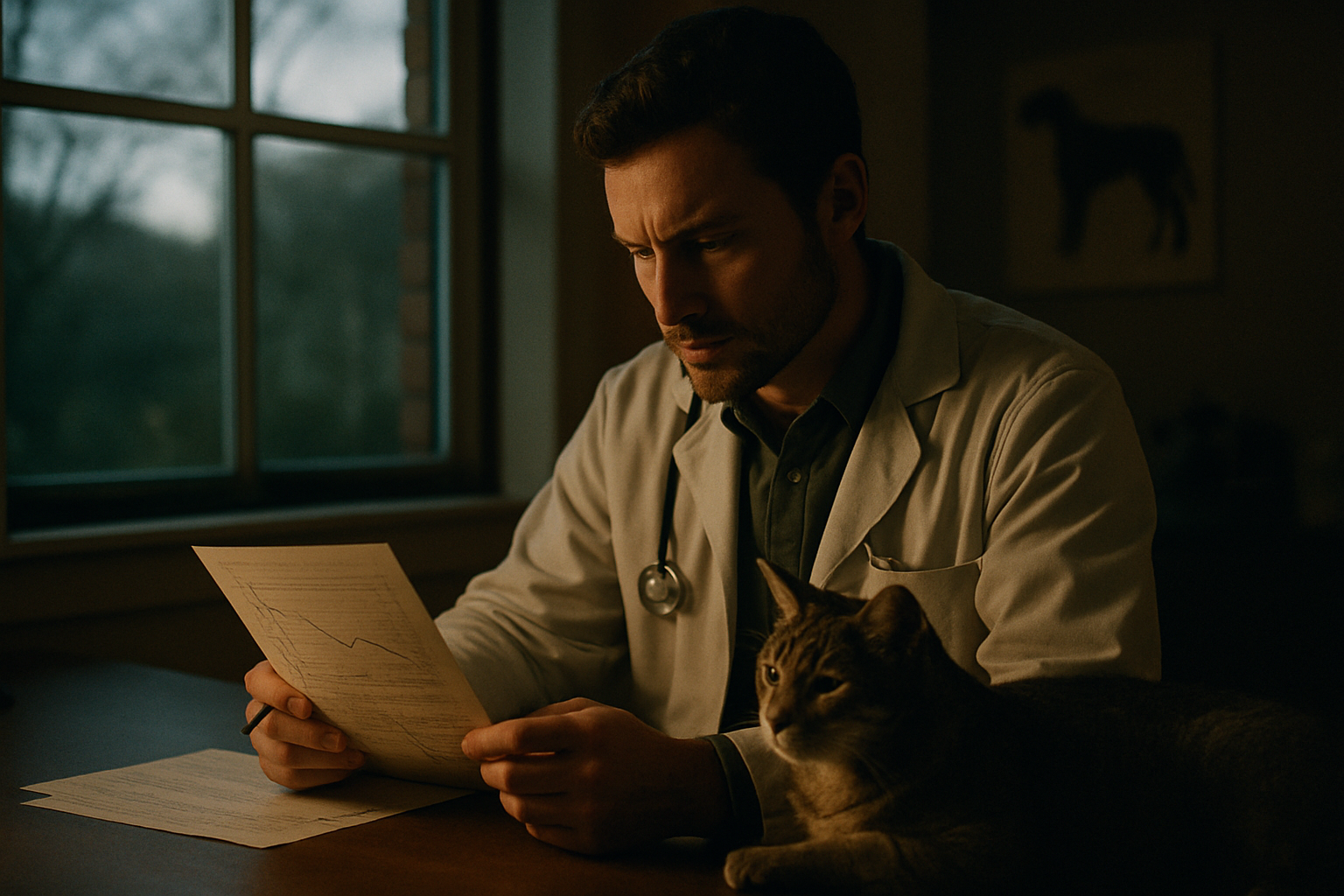
Some illnesses in dogs and cats develop so gradually that pet owners do not notice anything is wrong at home until the problem is already serious. A pet may still eat, play, and greet you normally while subtle changes are building in weight, teeth, joints, or lab values. That is why regular pet wellness exams matter. They give a veterinarian a chance to catch small changes early, compare them over time, and help you make informed decisions before those changes become emergencies.
Regular wellness exams are important for dogs and cats because they can reveal early changes in weight, dental health, mobility, heart and lung sounds, and lab work before those changes become severe enough to notice at home. They also create a long-term record that helps a veterinarian track trends over time. While not every problem can be prevented or detected early, regular pet wellness exams can improve the chances of finding concerns sooner.
Why small changes matter more than most pet owners realize
At home, it is easy to miss gradual change. A cat may eat a little less, a senior dog may slow down on stairs, or a pet may gain a few pounds over several months and still seem "fine." Those changes can point to issues that deserve attention, even when they do not look urgent yet.
During regular pet wellness exams, we are not just checking whether a pet seems healthy in the moment. We are looking for patterns. A half-pound weight change may matter a great deal for a small cat. A shift in breath odor may suggest dental disease. Slight stiffness after rest may be an early mobility concern. Lab values can also show change before a pet acts sick.
What we look for during a wellness exam
A good wellness visit is more than a quick listen to the chest. At Ponderosa Veterinary Clinic in Colorado Springs, we use these visits to review the whole picture of a dog or cat's health and lifestyle. Depending on age and needs, that may include:
Common parts of a wellness exam
- Weight and body condition scoring
- Mouth and dental health evaluation
- Heart and lung assessment
- Abdominal and orthopedic check
- Skin, coat, ears, and eyes review
- Vaccination discussion
- Parasite prevention discussion
- Laboratory screening when appropriate
That broader view helps us catch changes that do not always appear in a pet's behavior at home. For example, a dog with developing dental disease may still act playful. A cat with early kidney changes may still be eating well. A senior pet with joint pain may simply spend more time resting and less time moving around the house.
A common mistake pet owners make
Waiting for obvious symptoms can delay care. Many pet owners assume a healthy appetite or normal energy means everything is fine, but pets often hide discomfort well. By the time signs are easy to spot, a problem may have progressed beyond the early stage.
Hidden health changes regular exams can uncover
Regular pet wellness exams can identify issues that are easy to overlook at home. Some of the most common examples include:
Weight changes. Slow weight gain or loss can affect mobility, diabetes risk, and overall comfort. It can also point to changes in diet, activity, or underlying disease.
Dental disease. Bad breath is not just "normal pet breath." Tartar, inflamed gums, loose teeth, and oral pain can develop gradually and affect eating, comfort, and long-term health.
Mobility changes. A pet may still walk, jump, or climb, but not as easily as before. Early stiffness, reduced range of motion, or muscle loss can be easier to manage when found sooner.
Lab value changes. Bloodwork and other diagnostics can show early shifts in organ function, hydration, blood counts, or metabolic health before a pet appears sick.
Myth. If my pet is eating, playing, and sleeping normally, there is no need for a wellness exam.
Reality. Pets can look normal while subtle health changes are already developing. Regular pet wellness exams help catch those changes earlier, when they are easier to discuss and monitor.
Why relationship-based preventive care makes a difference
One reason regular pet wellness exams are so valuable is simple. We get to know your pet over time. That relationship matters. When I have seen a dog or cat year after year, I can tell when something about their weight, posture, coat, behavior, or energy does not fit their usual pattern.
That familiarity also helps pet owners. It creates space for honest conversation about what is normal for that pet, what has changed, and what you should watch next. Preventive care works best when it is personal, not rushed. It should feel like a conversation with a veterinarian who knows your pet's history, not a one-time checklist.
Recommended timing for adult and senior pets
For many healthy adult dogs and cats, annual wellness exams are common. Some pets may need visits more often, depending on medical history, lifestyle, or ongoing concerns. Senior pets are often seen every six months because health changes can happen more quickly with age. That said, recommendations vary, and your veterinarian may suggest a different schedule based on your pet's needs.
The key is not to treat wellness care as a calendar item only. The right timing depends on your pet's age, breed, risk factors, and past findings. A young adult dog with no concerns may need a different schedule than a senior cat with weight loss, arthritis, or dental disease history.
Why early detection is helpful, but not a guarantee
Wellness visits are powerful, but they are not magic. Not every disease can be prevented, and not every concern can be found in its earliest stage. Some conditions develop between exams, some start without obvious warning signs, and some require specific testing to uncover. That is why wellness care is best viewed as a long-term strategy, not a promise.
Even so, regular pet wellness exams give us a much better chance to notice change before it becomes an emergency. They also help pets receive support sooner when something does shift, which can make decision-making clearer for families.
In Colorado Springs and the Black Forest area, pets often deal with seasonal swings, dry air, and more time indoors during colder months. Those local conditions can make it especially useful to monitor weight, coat condition, hydration, skin health, and mobility during regular pet wellness exams.
What happens after the exam
The exam itself is only part of the value. Afterward, you should leave with a clear understanding of what was normal, what deserves monitoring, and whether any follow-up is suggested. That may include vaccines, parasite prevention, dental care, lab work, or a recheck if something subtle was found.
When preventive care is relationship-based, the next step is not confusing. You know who to call, what was discussed, and how your pet's health is trending. That kind of continuity is often what helps owners feel more confident, especially when pets are entering middle age or their senior years.
A quick note from Timber
I like wellness visits because they give us a chance to notice the little things before they turn into bigger worries. A pet that is holding weight differently, has a little tartar starting, or is moving a bit stiffly may not look sick to most people, but those are useful clues to us. The best visits are the ones where we can talk through what is changing, what is still normal, and what to keep an eye on next.
Frequently Asked Questions
Why are regular wellness exams important for dogs and cats?
They help veterinarians detect gradual changes in weight, teeth, mobility, and lab work before those changes become more serious. They also build a health history that makes it easier to notice trends over time.
How often should adult pets have wellness exams?
Many healthy adult dogs and cats are seen once a year, but recommendations vary. Your pet may need a different schedule based on age, breed, medical history, or any ongoing concerns.
Do senior pets need wellness exams more often?
Often, yes. Senior pets are commonly seen every six months because age-related changes can happen more quickly. Your veterinarian may suggest a different plan depending on your pet's condition.
Can a wellness exam detect every health problem early?
No. Some illnesses are difficult to detect early, and some develop between visits. Wellness care improves the chance of early detection, but it cannot prevent or identify every problem.
What should I bring up during the visit?
Mention any changes in appetite, thirst, weight, breath, activity, bathroom habits, mobility, or behavior. Even small changes can help guide the exam.
Book a Routine Exam for Your Dog or Cat
If your pet has not had a recent checkup, regular pet wellness exams are a practical way to stay ahead of hidden health changes and build a long-term care plan with a veterinarian who knows your pet. Ponderosa Veterinary Clinic is here for Colorado Springs families who want compassionate, transparent preventive care for every stage of life. *We Believe in a Compassion-First Approach.*
Book a routine exam