 By
By 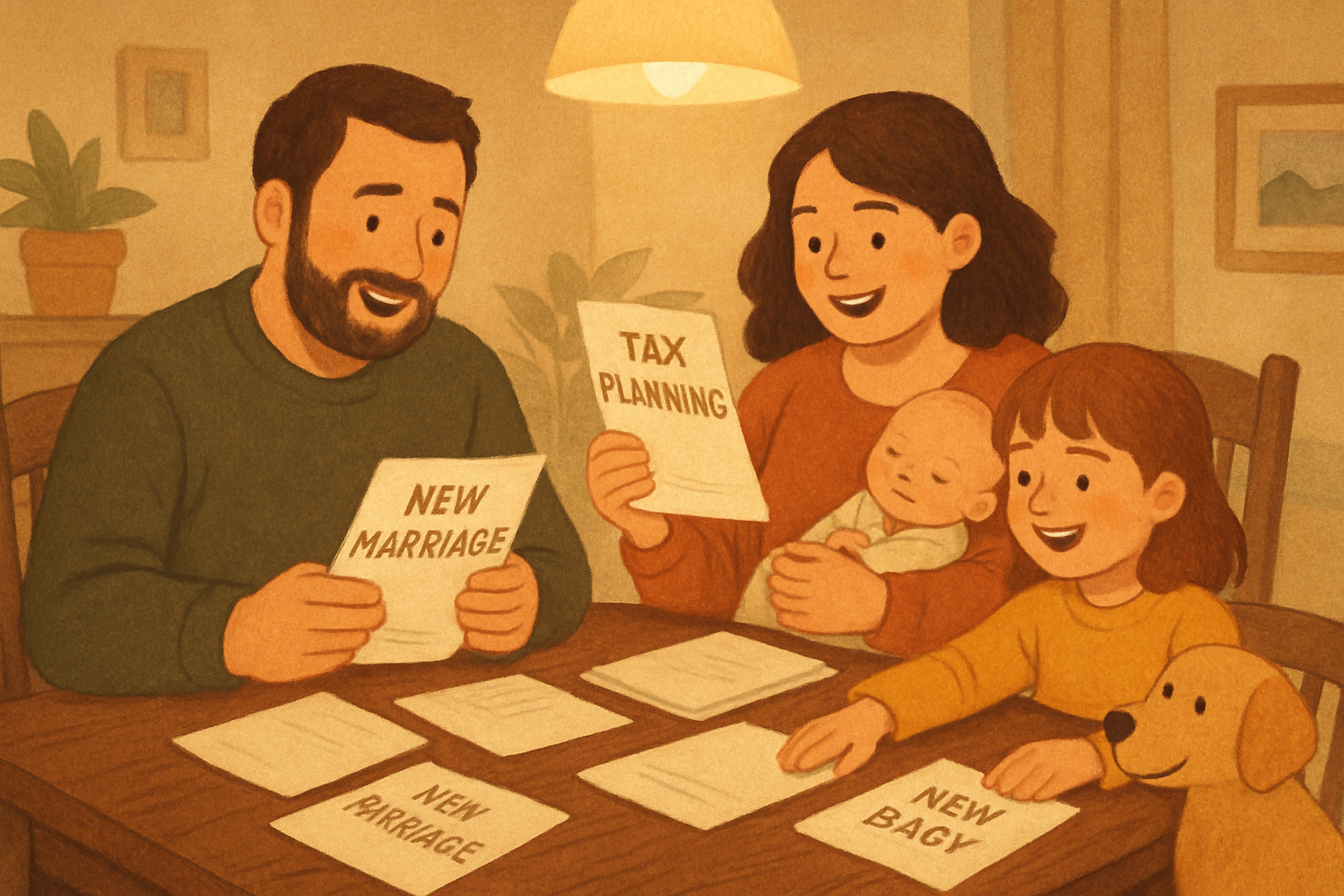
Many people assume taxes are handled in March or April, after the year is already over. In real life, a lot of tax results are shaped much earlier, right when a major life event happens. Late summer is a very practical time for Colorado Springs residents to stop, review what changed, and decide if this is when to schedule tax planning after a life change instead of waiting for filing season.
Marriage, divorce, retirement, buying a home, having a child, starting or selling a business, and major income changes should all prompt a tax planning appointment. The reason is timing. Decisions made before year-end can affect withholding, estimated payments, filing status, recordkeeping, and how income or transactions are reported.
Which life events should prompt a tax planning appointment?
The short answer is simple. If a life change affects your income, household, property, retirement distributions, or legal ownership, it is usually worth a planning conversation before year-end. That is the clearest guide for when to schedule tax planning after a life change.
Events that commonly justify an appointment include:
- Marriage. Filing status, withholding, name changes, and combining incomes can all change the picture.
- Divorce or legal separation. Dependency questions, filing status, support arrangements, and property transfers often need attention.
- A new child, through birth, adoption, or guardianship. This can affect withholding, credits, dependent documentation, and employer benefit choices.
- Buying or selling a home. Closing statements, mortgage records, property tax details, and timing matter.
- Retirement. Pension income, IRA withdrawals, Social Security timing, and estimated taxes can shift quickly.
- A significant income increase or decrease. Raises, bonuses, commissions, self-employment income, layoffs, and one-time payouts may require adjustments.
- Starting, buying, or closing a business. Entity choice, payroll, bookkeeping, and estimated taxes should not wait until return preparation.
- Receiving an inheritance or handling an estate or trust matter. These situations often involve separate filing requirements and basis questions.
The IRS encourages taxpayers to review withholding after major life changes, which tells you something important. The tax impact starts at the moment of change, not when your preparer opens your file months later.
Why does timing matter more than waiting until tax season?
Timing matters because some tax decisions can be adjusted before December 31, while others become much harder, or impossible, to change once the year closes. A planning appointment in late summer or fall gives you time to correct withholding, make estimated payments, organize records, or coordinate legal and financial paperwork.
For example, a couple who got married in June may still have time to update W-4 withholding, review estimated tax payments, and coordinate filing details. A person who retired in August may need to set withholding on distributions before underpayment issues build. Someone who bought a home in spring may need help organizing settlement papers and understanding what should be saved now, not searched for next April.
I like late summer for this review because there is still runway left in the year. In Colorado Springs, once school starts and the holiday season gets closer, schedules tighten fast. Tax planning is much easier in August, September, or October than in the middle of filing deadlines.
Here in Colorado Springs, late summer and early fall are often the sweet spot for review. Families are settling into a new school year, business owners are getting a clearer picture of annual income, and there is still time before year-end to adjust payroll withholding, estimated tax payments, or retirement distribution settings. Colorado state tax reporting matters too, so local moves, home purchases, and business changes should be looked at with both federal and state filings in mind.
Should marriage trigger a tax planning appointment right away?
Yes. Marriage is one of the clearest examples of when to schedule tax planning after a life change because it can affect filing status, withholding, and the way two incomes interact for the rest of the year.
Records to gather include:
- Marriage date
- Recent pay stubs for both spouses
- Most recent tax returns
- Updated Social Security or name-change information, if applicable
- Details on health coverage through employers
A common weak approach is, “We got married, so we’ll sort it out when we file.” A stronger approach is, “We got married in July, compared our withholding in August, and adjusted it while there were still 4 to 5 pay periods left in the year.” That is the difference between reacting and planning.
Common mistake
People often assume a wedding or divorce decree only changes next year's return. It usually affects the current tax year immediately, including withholding, filing status, and who can claim a child or report certain payments.
Does divorce or separation need tax planning before year-end?
Usually, yes. Divorce and separation often create questions that are much easier to sort out while documents and timelines are current, especially if children, property, or support payments are involved.
Bring:
- The separation agreement or divorce decree, if available
- Dates of household changes
- Who paid what for the home, children, and support
- Property transfer documents
- Any temporary court orders
According to the U.S. Census Bureau, there were 673,989 divorces and annulments reported in 2022. That number is a useful reminder that this is not a rare tax issue, even though every family’s details are different.
What records should you gather before the appointment?
The right records depend on the event, but the goal is consistent. Bring documents that show dates, dollar amounts, ownership, and who was involved. That helps your CPA focus on planning instead of spending the meeting reconstructing basic facts.
A good starter list includes:
- Last 1 to 2 years of tax returns
- Recent pay stubs or year-to-date income reports
- Any estimated tax vouchers already paid
- Closing disclosures for a home purchase or sale
- Birth or adoption records for a new child
- Retirement account distribution notices, pension statements, or Social Security award letters
- Business formation paperwork, ownership agreements, or sale documents
- Divorce decrees, separation agreements, or custody-related paperwork
- Notices from the IRS or state tax agencies
If you are a business owner and your books are behind, say that upfront. A planning appointment can still help, and in some cases support from bookkeeping services may be the first step before deeper tax planning.
Myth: If I do not owe until April, I can wait until April to talk to a CPA.
Reality: April is filing time, not ideal planning time. Major life changes often affect withholding, estimated payments, document gathering, and transaction timing during the current year. Waiting can limit your options.
Do retirement or a big income swing justify a planning meeting?
Yes. Retirement and large income changes are two of the most common reasons people realize too late that their tax picture changed more than expected.
That includes:
- A raise or large bonus
- Commission income that jumped
- Self-employment income starting mid-year
- A layoff or reduced hours
- Beginning Social Security
- IRA, 401(k), or pension withdrawals
The Social Security Administration reports that more than 68 million people receive Social Security benefits each month. For many retirees, that income arrives alongside IRA withdrawals, pensions, or part-time work, which is exactly why tax planning is helpful before year-end instead of after forms arrive.
My plain advice is this. If your monthly income changed enough that your cash flow feels different, your taxes probably changed too.
When is a CPA conversation more useful than waiting for return preparation?
A CPA conversation is more useful as soon as the decision itself can still shape the tax result. If you are choosing how to take distributions, how to structure a business, how to handle a property transfer, or how to adjust withholding, planning is more valuable than simple return preparation.
That is especially true if:
- You had more than one major life change in the same year
- You moved between employee and self-employed income
- You need to estimate what to set aside before year-end
- You have state and federal issues to coordinate
- You are dealing with trusts, estates, or inherited assets
- Your records are incomplete and need cleanup before filing season
For some readers, this is also the point where broader tax services make sense, especially if the issue goes beyond one return and into planning, notices, or multi-entity questions.
Signs it is time to book before tax season
- The event already happened, and you are unsure what to change now.
- You expect a 1099, K-1, pension, or property document you have not dealt with before.
- You are asking friends what to do instead of working from documents.
- You think the answer depends on timing, ownership, or legal paperwork.
- You want to avoid rushing through it in February or March.
Debbi's Insights
I see this all the time in Colorado Springs. Someone comes in during tax season and says, “If I had known that in September, I would have handled it differently.” That is exactly why I encourage people to pay attention to life changes while the year is still open. You do not need to walk in with every paper perfectly organized. You just need the basics, the dates, and a willingness to talk early.
If you are nervous that your books are messy, or you are not sure whether your change “counts,” that is okay. The goal of a planning appointment is not to impress anyone. It is to catch the decisions that still matter. I would much rather help someone in October with a partly organized file than meet them in March after the options are gone.
If you are still wondering when to schedule tax planning after a life change, use a simple rule. If the event changed your household, income, property, or retirement picture this year, and there is still time before December 31, now is probably the right time to talk. That is especially true for Colorado Springs residents balancing multiple changes at once.
Need help deciding which life changes call for a tax planning appointment?
If you have had a marriage, divorce, retirement, home purchase, new child, business change, or a big shift in income, Patterson Tax & Accounting can help you review it before year-end and figure out what matters now versus what can wait for filing. Visit pattersontaxcpa.com to book a consultation or call for a free initial consultation. Tax Expertise With a Personal Touch. This article is general information, not financial, tax, or insurance advice. Talk with a licensed professional about your specific situation.
Book a consultationExplore more, or reach out directly to Patterson Tax & Accounting in Colorado Springs, CO.